In today’s fast-paced business world, seamless and customizable communication solutions are no longer optional—they’re essential. Grandstream’s innovative telephony devices, from carrier-grade IP phones to centralized management systems, promise to revolutionize how organizations operate. But how can tailored systems—supporting high-definition audio, remote management, and hybrid deployment models—boost efficiency and security? By leveraging universal standards like SIP and RTP, these devices ensure interoperability and future-proof resilience, enabling businesses of all sizes to scale effortlessly. Yet, as voice and video communications become increasingly embedded in daily operations, safeguarding these channels through encryption and QoS protocols becomes paramount. Could embracing these advanced, adaptable solutions be the key to transforming your network, enhancing customer experience, and staying ahead in a competitive landscape? Exploring these innovations reveals a strategic shift—where flexibility, security, and scalability are no longer luxuries but fundamental for success.
Revolutionize Your Business Communication with FiberConX’s Advanced VoIP Solutions
Transform your business communication with FiberConX Communications, a leading provider of VoIP and IP business phone services in Canada. Our solutions feature powerful tools like voicemail, IVR, Ring Groups, and voicemail-to-mail, ensuring seamless and professional customer interactions. Whether you’re streamlining inbound calls or enhancing team collaboration, FiberConX delivers reliable, scalable, and cost-effective communication systems tailored to your needs. Discover how our innovative services can boost efficiency and customer satisfaction. For more information, contact us at [email protected] or call 1.800.961.6856. Explore our offerings and see why businesses across Canada trust FiberConX for their communication needs. Learn more about our solutions by visiting FiberConX and look for the specific offering under the code GRP2614.
Revolutionize Your Communication with Customizable Telephony Solutions
In today’s fast-moving business landscape, clear and reliable communication isn’t just a nice-to-have; it’s essential. Companies depend on their phone systems to keep teams connected, whether employees are working from the office, home, or on the go. Traditional landline phones, once the standard for business communication, often struggle to meet the demands of modern workflows. They lack the flexibility, scalability, and advanced features that organizations need to stay competitive. This gap has opened the door for customizable telephony solutions—systems designed to fit the unique needs of each business, rather than forcing them into one-size-fits-all packages.
Customizable telephony isn’t just about adding bells and whistles. It directly influences how efficiently a company operates. Off-the-shelf systems may seem sufficient at first glance, but they often fall short when it comes to supporting specific workflows or integrating smoothly with existing software. When businesses build communication setups tailored to their processes—whether handling high call volumes, supporting remote teams, or syncing with customer relationship management tools—they can minimize delays, improve service quality, and foster better collaboration. This personalized approach transforms how companies communicate, making interactions faster, clearer, and more effective.
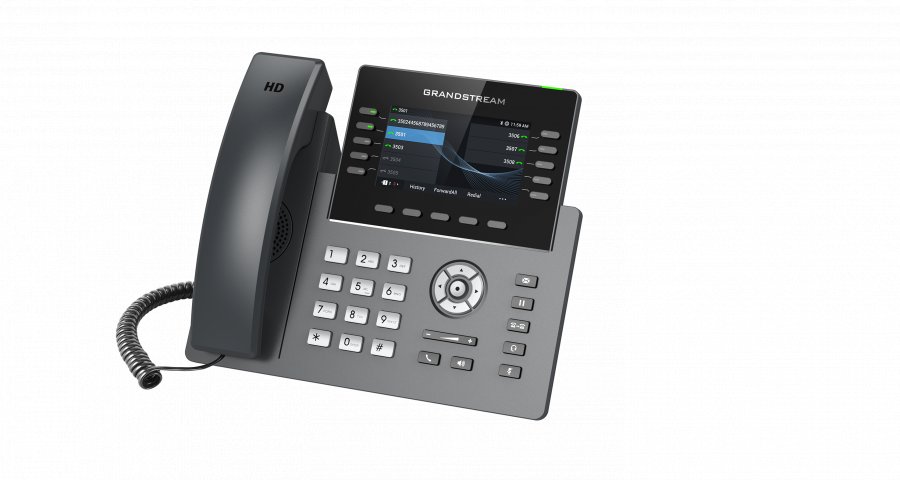
The rise of cloud platforms and innovative devices from providers like Grandstream has made these tailored systems more accessible than ever. Their IP phones come equipped with features such as high-definition audio, multiple lines, Wi-Fi connectivity, and remote management capabilities—all manageable through centralized platforms. This flexibility allows organizations to deploy exactly the right devices for their specific needs, whether they’re a small startup or a large enterprise. The ability to scale and adapt the communication infrastructure without extensive hardware changes means businesses can grow confidently, knowing their systems will keep pace with evolving demands.
Another key advantage of customizable telephony solutions is the support for hybrid deployment models. Companies can choose to host their communication systems entirely in the cloud, on-premises, or adopt a combination of both. Cloud-based options enable quick deployment and remote management, ideal for distributed teams and remote work scenarios. On-premises solutions offer enhanced control and security for sensitive data. Combining these approaches provides a resilient, flexible infrastructure that maximizes efficiency and security—giving organizations the best of both worlds and ensuring their communication remains robust under any circumstances.
Implementing a tailored telephony system also involves strategic planning and ongoing management. Regular updates, secure configurations, and centralized tools like Grandstream’s GDMS help keep systems running smoothly. Prioritizing voice traffic through Quality of Service (QoS) protocols ensures high call quality even during peak times. Training staff on new features and maintenance routines further enhances performance and user experience. When organizations commit to these best practices, they lay a solid foundation that supports growth, remote work, and rapid adaptation to new challenges. Customizable telephony isn’t just a technical upgrade; it’s a strategic move that can significantly boost operational efficiency and customer satisfaction.

Building the Backbone of Reliable, Flexible Digital Telephony
Modern telephony is built on a foundation of digital technology and standardized protocols that ensure both reliability and flexibility in communication. At the core of this evolution is Voice over Internet Protocol (VoIP), which converts traditional voice signals into digital data packets that travel seamlessly over internet networks. This shift from analog to digital not only reduces costs but also opens the door to a wide array of advanced features, such as high-definition audio, video conferencing, and instant messaging, transforming how businesses connect and collaborate.
The backbone of these systems relies on key protocols like SIP (Session Initiation Protocol) and RTP (Real-time Transport Protocol). SIP manages call setup, modifications, and termination, acting as a universal language that guarantees different devices and platforms can communicate effortlessly. RTP complements this by carrying the actual media—whether voice or video—with minimal latency. Together, these standards create an interoperable environment where devices from multiple vendors work seamlessly, giving organizations the freedom to choose hardware and software solutions that best suit their needs.
This transition from landlines to digital and IP-based solutions marks a move toward scalable, adaptable communication networks. Traditional landlines depended on physical wires and analog signals, offering dependable but limited service. Digital systems improved clarity and management but lacked the agility required for today’s fast-paced business world. VoIP revolutionized this landscape, enabling organizations to deploy feature-rich, scalable systems that grow with their demands—supporting high call volumes, remote work, and complex integrations without the need for extensive hardware upgrades.
Manufacturers like Grandstream play a pivotal role in this digital ecosystem. Their IP phones adhere to these universal standards, supporting high-definition audio, multiple lines, Power over Ethernet (PoE), and Wi-Fi connectivity. Such features make deployment flexible and management straightforward, whether in a small office or a sprawling enterprise. These devices seamlessly integrate into existing infrastructure, allowing businesses to build personalized communication setups that are both reliable and easy to manage, helping to streamline operations and improve overall efficiency.
Security protocols are also integral to modern telephony. As voice and video communications become embedded in daily operations, safeguarding these channels is critical. Encryption, secure provisioning, and regular firmware updates protect against cyber threats and unauthorized access. Quality of Service (QoS) protocols prioritize voice traffic on busy networks, preventing delays and dropped calls—an essential factor in maintaining professionalism and operational continuity. These security measures ensure that telephony solutions are not only feature-rich but also dependable and secure.
Interoperability is further enhanced by the adherence to global standards that allow diverse devices and platforms to work together smoothly. This flexibility means organizations can select hardware and software solutions from different vendors without compatibility issues, fostering innovation and customization. As a result, businesses can design communication systems that are tailored to their specific workflows, whether that involves integrating with customer relationship management tools or supporting hybrid deployment models.
The evolution of telephony also emphasizes resilience and future-proofing. Standardized protocols like SIP and RTP support scaling the network as needs grow, adding new users or features without disrupting existing services. Cloud platforms and centralized management tools enable remote oversight, making it easier to implement updates, troubleshoot issues, and adapt to changing circumstances quickly. This agility is vital for organizations seeking to stay competitive in a rapidly shifting technological landscape.
Understanding the core concepts and standards underpinning modern telephony is key to harnessing its full potential. By leveraging these protocols and interoperable hardware, organizations can create communication networks that are reliable, secure, and adaptable. Devices from manufacturers like Grandstream exemplify how adherence to these standards facilitates the deployment of robust, scalable solutions capable of meeting today’s demands and evolving along with future innovations. In a world where seamless, high-quality communication can define success, a solid technical foundation is more important than ever.

Harnessing Modern Telephony to Accelerate Business Success
Today’s business environment is more connected than ever, and telephony technology plays a crucial role in shaping how companies operate. Modern solutions extend far beyond basic voice calls, integrating features like video conferencing, instant messaging, and cloud-based management to create a dynamic, flexible communication ecosystem. Organizations that leverage these advancements can deploy scalable systems rapidly, support remote and distributed teams effortlessly, and respond to customer needs with unprecedented speed—all while maintaining high-quality, secure connections. This transformation turns communication from a simple tool into a strategic asset that boosts productivity and competitiveness.
The evolution of telephony technology has been driven by the need for agility and operational efficiency. Cloud management platforms, such as those offered by providers like Grandstream, enable organizations to oversee their entire communication network remotely. This means updates, troubleshooting, and system adjustments can happen instantly, without on-site visits or manual reconfiguration. As a result, businesses can expand their communication capacity on the fly, adding new users or features without lengthy delays. This level of flexibility is vital in today’s fast-paced market, where quick adaptation can be the difference between leading the competition or falling behind.
Devices from innovative manufacturers like Grandstream are at the forefront of this digital shift. Their IP phones support high-definition audio, multiple lines, Wi-Fi connectivity, and seamless integration with cloud management systems. These features allow organizations to customize their communication setups to fit their unique operational needs, whether they’re a small startup or a large enterprise. With centralized control, administrators can manage hundreds of devices remotely, ensuring consistent deployment and reducing the time and effort involved in scaling up. This scalability helps organizations grow confidently, knowing their systems can evolve alongside their expanding demands.
Meanwhile, the backbone of modern telephony continues to strengthen through standardized protocols like SIP and RTP. These standards ensure interoperability across diverse devices and platforms, simplifying the process of integrating hardware and software solutions from different vendors. This compatibility fosters an environment where new features—such as auto-attendants, call forwarding, and real-time analytics—can be added without disrupting existing operations. Organizations can build resilient, future-proof networks that adapt easily to changing needs, all while maintaining security and reliability.
The current state of telephony technology also emphasizes resilience and security. Encryption, secure provisioning, and regular firmware updates protect communications against cyber threats and unauthorized access. Quality of Service (QoS) protocols prioritize voice traffic on busy networks, preventing delays and dropped calls that could damage professionalism and operational continuity. These security measures and performance optimizations ensure that communication remains seamless, trustworthy, and robust even during peak usage times, supporting a high level of service expected in today’s competitive landscape.
Furthermore, the integration of cloud-managed devices and scalable infrastructure paves the way for rapid deployment and expansion. Organizations can roll out new systems or upgrade existing ones within hours, not weeks, enabling them to respond swiftly to market changes or customer demands. This agility translates into better customer experiences, faster decision-making, and a more resilient operation overall. As telephony continues to evolve, embracing these innovations becomes essential for organizations seeking to maintain a competitive edge in an increasingly digital world.
In essence, modern telephony technology transforms how businesses communicate, making it more efficient, flexible, and strategic than ever before. With the support of standards like SIP and RTP, coupled with innovative devices from manufacturers such as Grandstream, organizations can craft communication networks tailored to their specific needs. This approach not only enhances operational efficiency but also prepares businesses to adapt quickly to future changes, ensuring they stay connected, secure, and competitive in a rapidly changing landscape.