Behind the closed doors of a backyard garage lies a world of secrets, traditions, and craftsmanship that most enthusiasts guard fiercely. This sanctuary of passion is more than a simple workshop; it’s a space where patience, ingenuity, and love for machines converge to revive neglected relics. From time-honored techniques to modern innovations like 3D printing, the garage embodies a blend of legacy and evolution. Experienced mechanics emphasize that mastery comes through intuition, perseverance, and respect for tradition, while newcomers are encouraged to start small and learn steadily. Each project—whether restoring vintage engines or fabricating custom parts—becomes a personal journey of discovery, pride, and storytelling. This craft isn’t just about fixing cars; it’s about preserving a legacy of patience, skill, and resilience. So, what secrets might your garage hold, and how will you keep this enduring passion alive for generations to come?
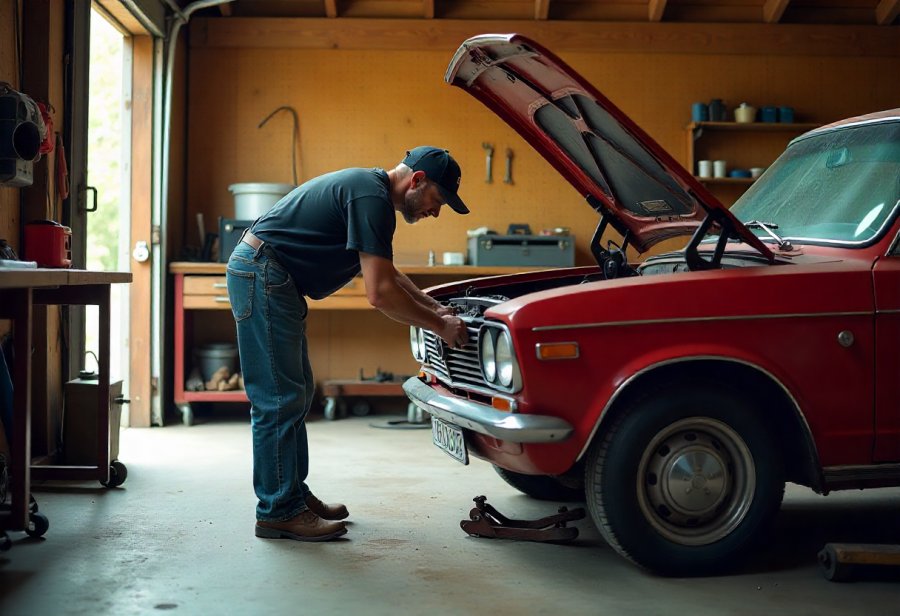
Discover the Personal Sanctuary of the Backyard Garage
There’s something quietly compelling about the backyard garage—a space that feels less like a workshop and more like a personal sanctuary. It’s where passion for mechanics blends seamlessly with craftsmanship, creating a haven away from the hustle and bustle of everyday life. Here, time slows down, and the focus shifts entirely to the task at hand, whether that’s reviving a vintage engine or polishing a well-worn part. It’s a place where the love for machines becomes tangible, expressed through every turn of a wrench and each careful adjustment.
The appeal of the garage lies not just in the work done, but in what it represents. It’s a space built on patience, dedication, and a genuine connection to the craft. Whether cluttered with tools that have seen years of use or meticulously organized for efficiency, each garage reflects its owner’s personality. It’s a personal museum of relics—antique carburetors, rusted bolts, faded blueprints—that tell stories of projects past and dreams for future restorations.
This space is more than a workshop; it’s a retreat where craftsmanship is celebrated and skills are passed down. It’s where old engines are brought back to life, and neglected vehicles find new purpose. Every project undertaken here is an act of preservation—saving history, honoring tradition, and expressing pride in mechanical mastery. That sense of purpose fuels every bolt tightened and every engine tuned.
In a world increasingly dominated by automation and mass production, the backyard garage stands as a testament to human ingenuity. It’s a reminder that true craftsmanship requires patience and a personal touch—qualities no machine can replicate. Doing things by hand, with care and respect for tradition, keeps the art alive. This space is where stories are written in grease and metal, and where the quiet thrill of revival is felt with every successful repair.
Beyond the tools and parts, the garage fosters a sense of community. Enthusiasts often share tips, swap parts, or simply talk about their latest project with neighbors or fellow hobbyists online. This exchange of knowledge keeps the passion vibrant and the craft evolving. In that way, the garage becomes more than a workspace—it transforms into a hub of shared passion, a place where stories and skills are passed along.
What makes these garages truly special is the passion that fuels them. It’s a love for the process, a respect for the machines, and an unwavering commitment to craftsmanship. Each restored vehicle, each engine that roars back to life, serves as a reminder that this space is a sanctuary of perseverance and pride. It’s where tradition is kept alive, one project at a time, and where the spirit of the backyard mechanic continues to thrive.
Unveiling the Hidden Secrets and Traditions Behind the Garage Door
Behind the closed doors of a backyard garage, a world of quiet secrets and long-standing traditions quietly unfolds. Many seasoned mechanics have developed unique rituals and techniques over years of hands-on work, passing these down through generations or through close mentorship. These methods aren’t typically documented in manuals or shared broadly online; they’re learned through experience, patience, and a genuine love for the craft. For instance, some enthusiasts swear by custom-made tools or specially modified wrenches tailored to their projects, giving them an edge that store-bought equipment can’t match.
The sounds and smells inside the garage aren’t just background noise—they are a language shared among backyard mechanics. The clatter of tools, the scent of oil and metal, and the careful organization of parts all carry meaning. Certain techniques and routines are kept close, because they represent a legacy of craftsmanship. This tradition elevates routine repairs into an art form rooted in respect for the machines and a desire to preserve their authentic character. It’s in these details that the garage’s true secrets lie.
Many mechanics guard their most valuable secrets—techniques, adjustments, or custom tools—as a matter of pride and family legacy. Whether it’s a unique way of tuning a carburetor or a homemade jig for precise alignment, these methods are often passed quietly through mentorship or solitary practice. Sharing them openly might diminish their value or risk losing the personal touch that makes each project special. This sense of secrecy adds a layer of identity and dedication, transforming each repair into a personal mission to uphold tradition.
Assessment in the garage often begins with intuition—listening, feeling, and observing. An experienced hand can tell if a bolt is seized or a part is salvageable just by touch or sound. These subtle skills develop over years of tinkering, experimenting, and sometimes making mistakes. They become guarded treasures, passed through quiet practice rather than formal instruction. This intuitive connection to the machine deepens the mechanic’s understanding and makes every repair a personal act of understanding.
Inside these spaces, old-school techniques still thrive. Hand sanding, fabricating parts with simple tools, sourcing vintage components from obscure suppliers—these rituals preserve the authenticity of each project. Many prefer these traditional methods because they respect the machine’s history and craftsmanship. While modern tools can speed things up, patience and skill rooted in tradition remain at the core of true restoration. Combining both approaches allows mechanics to honor the past while embracing efficiency.
Innovations like affordable 3D printing are now making a difference. Enthusiasts can recreate missing parts or custom fabrications that were once too costly or impossible. Digital troubleshooting apps and online forums give even novices confidence to tackle complex repairs. These modern tools complement traditional skills, making vintage restorations more accessible and keeping the passion alive. They’re not replacing craft but enhancing it, ensuring that the secrets of the garage continue to evolve.
At its heart, the garage is more than a workspace; it’s a sanctuary of stories, secrets, and skills. The quiet sharing of tales about rare parts found after months of searching or a stubborn engine that finally roars back to life keeps the tradition vibrant. These stories remind us that every restored machine carries a legacy—one protected and passed along through the secrets kept behind the garage door. It’s this hidden knowledge that makes the backyard mechanic’s space truly special, a place where craftsmanship and passion are preserved in every detail.
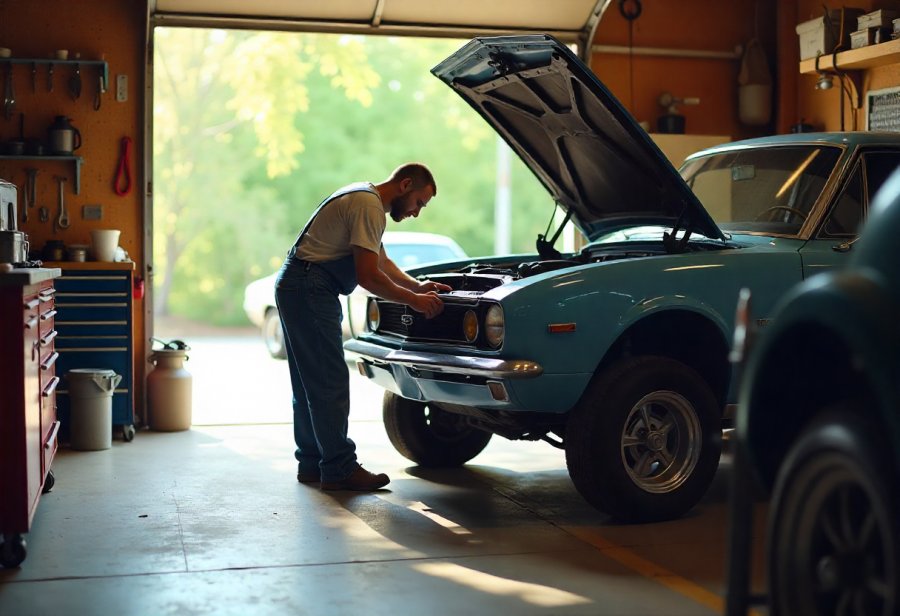
Transforming Passion into Practical Restoration Projects
Many backyard mechanics turn their passion into tangible restoration projects that showcase their skills and dedication. Whether rebuilding a vintage engine, restoring a classic motorcycle, or reviving a neglected car, these efforts are more than hobbies—they’re practical demonstrations of craftsmanship developed over years of hands-on work. Each project begins with a careful assessment, identifying which parts can be salvaged and which need replacing. Experienced restorers rely on traditional techniques like hand-sanding, fabricating missing components, and engine tuning to ensure authenticity and durability.
Using a blend of old-school methods and modern tools, enthusiasts source parts from junkyards, online marketplaces, or specialty suppliers. They might carve or weld custom brackets or fabrications to fit specific needs, transforming their garage into a workshop of ingenuity. This hands-on approach allows total control over every detail—from cleaning and painting to fine-tuning mechanical systems—resulting in machines that look authentic and run reliably. Patience and precision are key, but the payoff is a machine that performs as well as it looks.
Stories of restoration victories are common in the backyard mechanic community. A vintage tractor left to rust in a field might undergo months of rust removal, part fabrication, and engine tuning before chugging happily through the fields again. Similarly, a barn-find Harley motorcycle can be painstakingly rebuilt into a showpiece that turns heads at meets. These projects reflect the pride and satisfaction that come with turning neglected relics into functional, beautiful machines. Each successful revival builds confidence and deepens the mechanic’s connection to their craft.
The tools and techniques used in these projects are often simple but effective. Wrenches, screwdrivers, wire brushes—many mechanics modify or craft their own tools for specific jobs. Rust removal might involve wire brushing or chemical treatments, followed by meticulous sanding. Engine reassembly demands patience, as each bolt and component must be fitted precisely. This detailed work may be time-consuming, but it ensures the machine’s longevity and performance, making every moment worth it.
Restorers often blend traditional craftsmanship with modern innovations. While manual methods emphasize authenticity, modern solutions like chemical rust removers or power sanders speed up the process. Many enthusiasts find a balance, maintaining the machine’s original design while leveraging new technology to improve efficiency. This hybrid approach helps preserve the machine’s character without sacrificing quality, making restorations both authentic and practical.
Innovations like affordable 3D printing are also changing the game. Enthusiasts can recreate missing parts or fabrications that were once too costly or impossible. Digital troubleshooting apps and online guides give even novices confidence in tackling complex repairs. These tools make vintage restorations more accessible, inviting more people to participate in the craft and keep the passion alive. They’re not replacing traditional skills—they’re enhancing them.
Whether it’s a simple tune-up or a full restoration, each project reflects a deep understanding of mechanical systems and a commitment to quality. Every successful rebuild strengthens the bond between mechanic and machine, turning work into a personal achievement. By applying traditional skills alongside modern tools, backyard mechanics continue to demonstrate that craftsmanship and passion can breathe new life into even the most neglected relics, ensuring that stories of revival are passed down for generations.
Insights from Seasoned Experts on Craftsmanship and Technique
Seasoned mechanics and restoration experts agree that patience and meticulous attention to detail are the backbone of true craftsmanship in the garage. They advise newcomers to start small, mastering basic skills like handling tools properly, fitting parts precisely, and cleaning thoroughly before diving into complex projects. An organized workspace isn’t just about efficiency; it’s about safety and creating a focused environment where craftsmanship can flourish. Listening closely to the machines and trusting your instincts often makes the biggest difference in achieving quality results.
Experienced restorers emphasize the importance of thorough planning before beginning any project. Assessing the condition of the machine, sourcing authentic or high-quality replacement parts, and mapping out each step help prevent costly mistakes and setbacks. Keeping detailed notes throughout the process ensures nothing gets overlooked. Combining modern tools with traditional techniques—like hand-sanding, fabricating parts, and fine-tuning engines—preserves authenticity while boosting efficiency, resulting in a job well done.
Perseverance is a common theme among veteran mechanics. Restoring a vintage vehicle can take months, sometimes even years, requiring resilience and deep respect for the machine’s history. The pride that comes from bringing a neglected relic back to life isn’t just about aesthetics or performance; it’s about honoring craftsmanship and effort. Each challenge faced along the way deepens the mechanic’s understanding and connection, turning every setback into a learning opportunity.
When it comes to tools and techniques, many experts favor a balanced approach. Basic hand tools—wrenches, screwdrivers, wire brushes—are essential, but they often craft or modify their own tools to suit specific needs. Modern solutions like chemical rust removers or power sanders are embraced selectively, used to speed up work without sacrificing quality. Knowing when to rely on tradition and when to incorporate new technology reflects a skilled mechanic’s judgment and respect for the craft.
At its core, the wisdom from seasoned professionals centers on passion and humility. Approaching each project with curiosity and respect, seeking advice from community forums or local clubs, keeps the craft alive and evolving. Restoring a machine isn’t just about fixing; it’s about keeping a legacy of patience, skill, and love for the work intact. Their shared experience underscores that craftsmanship in the garage is as much about mindset as technique, ensuring the tradition endures across generations.
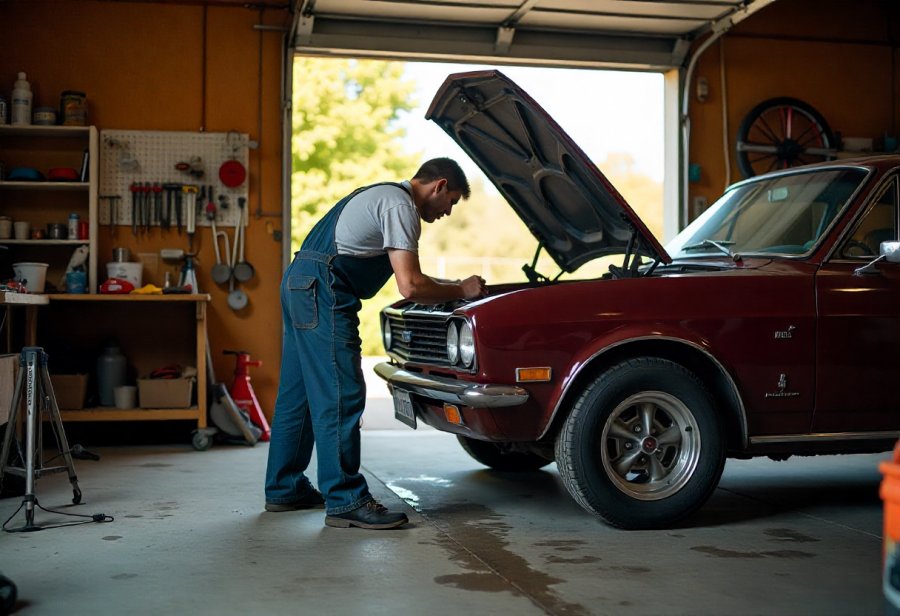
Continuing the Legacy: Embrace the Garage Journey with Passion and Innovation
As we wrap up this exploration of the backyard mechanic’s garage, it’s clear that this space is more than just a workshop—it’s a living testament to passion, patience, and craftsmanship. Every project, every secret kept behind that garage door, reflects a deep love for machines and a respect for the timeless art of restoration. These garages aren’t just places where engines are fixed; they’re sanctuaries where stories are preserved and skills are passed down through generations.
If you’re inspired to keep this tradition alive, the best next step is to stay curious and committed. Whether it’s learning a new technique, experimenting with modern tools, or simply taking pride in small victories, each effort deepens your connection to the craft. Sharing your progress with fellow enthusiasts—whether at local meets or online forums—can provide new insights and fuel your passion even further. The community’s support often turns a lone project into a collective journey of growth.
Blending traditional methods with emerging technologies creates opportunities to elevate your work without losing its authentic soul. Using a 3D printer to recreate a missing part or applying advanced rust inhibitors can make restoration more accessible and precise. These innovations aren’t about replacing craftsmanship—they’re about enhancing it, giving you new ways to breathe life into old relics while honoring their history.
Patience remains your greatest ally. Restoring a vintage machine isn’t a race; it’s a deliberate process that rewards care and perseverance. Every bolt tightened and every engine tuned is a step forward, building skills and confidence along the way. Celebrate small wins and learn from setbacks—each one is part of your growth as a mechanic and an artist of restoration.
Remember why you started: the thrill of revival, the joy of discovery, or the pride of bringing a piece of history back to life. Holding onto that motivation keeps the journey rewarding, even when challenges arise. Your garage isn’t just a workspace; it’s a sanctuary of creativity and resilience, a place where your passion is forged and strengthened.
Keep nurturing that passion by continuously seeking new knowledge and embracing community. The shared stories, tips, and camaraderie keep the craft vibrant and evolving. Each project you undertake builds a legacy—one rooted in patience, skill, and genuine love for the machines that tell stories of craftsmanship and perseverance.
As you move forward, remember that every effort contributes to a larger tradition. Your dedication ensures that the spirit of the backyard mechanic endures, passing from one generation to the next. By preserving this craft, you help keep alive the timeless dance between human ingenuity and mechanical mastery, ensuring these treasured skills continue to thrive for years to come.