Moving—be it your home or business—can quickly shift from an exciting milestone to a stressful ordeal. While some manage their relocation with DIY efforts, the risks to valuables and safety remain high. Professional movers, equipped with expertise, advanced packing materials, and structured procedures, transform chaos into control. They safeguard precious belongings—fragile glassware, high-tech gadgets, delicate artwork—through meticulous packing, secure load distribution, and careful handling, all backed by insurance that offers peace of mind. As technology advances, the future promises smarter solutions: real-time sensors, automation, and precise environmental controls, elevating the safety and efficiency of every move. But how will these innovations further protect your treasures, reducing stress and ensuring they arrive intact? The evolving landscape of moving safeguards is revolutionizing the industry, offering not just better logistics, but genuine peace of mind—making your next move less about worry and more about new beginnings.

Safeguarding Your Valuables: The Key to a Smooth Move
Moving to a new home or office is an exciting milestone, but it also comes with its fair share of worries—especially when it comes to protecting valuables. Whether it’s family heirlooms, expensive electronics, or crucial documents, ensuring these items arrive intact is essential. Professional movers bring expertise and specialized equipment to handle your possessions with care from start to finish, transforming what could be a stressful day into a smooth transition.
Many underestimate how delicate and vulnerable belongings can be during transit. Fragile items like glassware, artwork, or high-tech gadgets require extra attention. Mishandling even once can lead to costly damages, turning a straightforward move into a frustrating setback. Skilled movers use high-quality packing materials—bubble wrap, foam padding, and reinforced boxes—to shield your valuables from shocks and vibrations. Their careful handling techniques focus on minimizing jostling, which significantly reduces the risk of breakage.
Beyond packing, professional movers develop detailed plans to organize logistics efficiently. They assess each item’s fragility, prioritize delicate possessions, and plan the best way to load and unload. Proper load distribution—placing heavier items at the bottom and lighter, fragile ones on top—helps keep everything stable during transit. Securing items with straps and padding prevents shifting, ensuring your belongings remain safe even on bumpy roads. This structured approach transforms a potentially chaotic day into a controlled, worry-free experience.
Insurance coverage plays a crucial role in safeguarding your valuables. Reputable moving companies offer policies that protect against damage or loss, providing peace of mind that your possessions are covered if accidents happen. Knowing you’re protected encourages careful handling and underscores the professionalism behind each move. It’s a safety net that allows you to focus on settling into your new space without the fear of unexpected costs.
Professional movers rely on a disciplined, systematic approach—meticulously planning, using the right supplies, and executing each step with care. This combination of expertise and organization ensures your valuables arrive in pristine condition, turning what could be a stressful event into a seamless, secure process. With experts handling your move, you can focus on the excitement of your new beginning, confident that your treasures are in good hands.
Proven Techniques for Protecting Fragile and Valuable Items
Professional movers rely on a variety of proven techniques to keep fragile and valuable items safe throughout the entire move. A key starting point is meticulous packing. Movers carefully wrap delicate objects—such as glassware, artwork, or electronics—with bubble wrap, foam padding, or custom dividers to prevent scratches and breakage. Reinforced boxes designed for high-value items provide an extra layer of protection, absorbing shocks and vibrations during transit.
Handling procedures are just as critical. Movers are trained to minimize jostling and abrupt movements that could cause damage. They secure items within the truck using straps, padding, and custom crating when necessary, ensuring everything stays in place. For especially fragile possessions, they often create tailored crates that fit each item perfectly, offering a secure environment against bumps and shocks.
The loading and unloading process is carefully planned to prevent mishaps. Experienced movers load heavier, sturdier pieces at the bottom, placing delicate items on top and securing all loads tightly. During unloading, priority is given to delicate and high-value items, unpacked in a designated safe space to minimize exposure to hazards. This systematic approach ensures that fragile possessions are shielded from accidental impacts or crushing.
Insurance coverage is vital in safeguarding valuables. Reputable moving companies provide policies that cover damage or loss, reinforcing the importance of careful handling. When clients know their possessions are insured, movers feel encouraged to treat each item with enhanced caution, ensuring the highest standards of safety are maintained throughout the move.
The right supplies and equipment make a significant difference. Sturdy boxes, moving blankets, straps, and packing paper work together to fortify belongings against the bumps and knocks of transit. Using quality materials consistently results in fewer damages, less stress, and a smoother experience. These practical tools are essential for maintaining the integrity of valuables from start to finish.
The topic is expanded upon in Expert Strategies to Safeguard Valuables During Your Move, an article by Gabby Reed on Thornhill Bard.
Every step—packing, handling, loading, and unloading—is executed with a disciplined routine that prioritizes safety. Movers develop detailed plans tailored to each move, assessing the fragility of items and devising strategies to protect them. This organized approach minimizes risks, ensuring that even the most delicate possessions arrive intact and ready for their new home or office.
Applying these strategies in real-world scenarios involves translating careful planning into action while remaining adaptable to surprises. Properly packing and securing items before the move, combined with expert handling and equipment use, creates a controlled environment. This focus on detail and flexibility helps prevent damage, reduces delays, and offers peace of mind that your valuables are protected every step of the way.
A Systematic Framework Ensures a Secure and Efficient Move
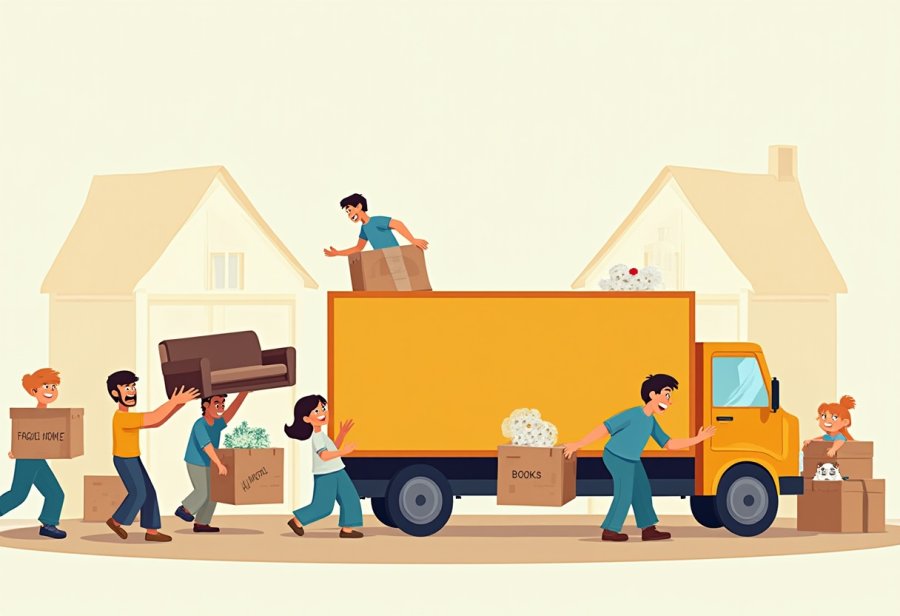
Professional movers depend on a well-structured set of frameworks and methodologies that make every move safer and more predictable. From the outset, they focus on detailed planning, carefully evaluating each item’s fragility and handling needs. This process involves creating checklists and step-by-step protocols that guide the entire operation, from packing to loading and unloading. Having these procedures in place ensures consistency and minimizes human error, which is critical for safeguarding valuables.
Risk assessment is central to their approach. Movers identify potential hazards early—whether it’s a delicate artwork or bulky furniture—and develop tailored strategies to mitigate those risks. For high-value or fragile items, they might use custom crating or additional padding, proactively preventing damage rather than reacting after the fact. This foresight transforms uncertainty into control, giving clients confidence that their possessions are protected.
Load distribution is another key element. Movers plan how to load the truck efficiently, placing heavier, sturdier objects on the bottom and lighter, fragile items on top. Securing everything with straps and padding prevents shifting during transit, especially on uneven roads or sharp turns. This disciplined load management not only protects belongings but also enhances safety and stability during the journey.
Throughout the move, trained personnel adhere to strict handling protocols. They employ proper lifting techniques—using their legs, not their backs—and communicate clearly to coordinate movements. When dealing with especially delicate or high-value items, they often craft custom crates or add extra padding, providing an additional layer of security. This disciplined execution reduces risks and ensures possessions arrive intact.
This perspective is expanded in Jessamine Robinson‘s article Why Professional Movers Are Essential for a Stress-Free Move on Peterborough Visit.
Specialized equipment like dollies, lifts, and straps further supports safety. These tools enable movers to handle heavy or awkward objects with precision and control, minimizing physical strain and accidental damage. They also facilitate navigating tight spaces or stairs, where mishandling could lead to costly damage or injury.
Consistency in following these structured routines creates a controlled environment that maximizes safety. Every step—packing, handling, loading, and unloading—is executed with care and purpose. Detailed planning and meticulous execution prevent chaos, turning what could be a stressful day into a smooth, secure operation. This disciplined approach is what truly sets professional movers apart, safeguarding your valuables with precision and confidence.
Transforming Planning into Action: Practical Tactics for Safe Moving
Applying professional moving tactics in real-world scenarios means turning careful planning into action while staying flexible enough to handle surprises. Before moving day, experienced movers assess every item, paying close attention to fragile or high-value possessions. They select the right packing materials—reinforced boxes, bubble wrap, or custom crates—to ensure each piece is protected properly. Establishing a logical packing sequence, like packing delicate items last, helps keep valuables safe and reduces the risk of damage during transit.
Once packed, the focus shifts to logistics. Movers organize the loading process so heavier furniture and boxes are placed at the bottom of the truck, with lighter, more fragile items on top. Securing everything tightly with straps and padding prevents shifting on bumpy roads or sharp turns, maintaining stability throughout the journey. Proper load distribution not only safeguards belongings but also enhances overall safety during transit.
During the move, trained crews follow strict handling protocols. They lift heavy objects using proper techniques—bending at the knees, not the back—and handle each item with care. Clear communication among team members ensures everyone is on the same page, reducing mishandling or accidental drops. When navigating tight spaces or tricky angles, they adapt techniques, using dollies, lifts, and straps to maintain control and prevent damage. This flexibility ensures even unexpected obstacles don’t compromise safety.
Specialized equipment plays a vital role in minimizing risks. Dollies and lifts help handle bulky or awkward items smoothly, while straps secure loads tightly. These tools reduce physical strain on movers and prevent shifting that could cause damage. When used correctly, they make navigating narrow doorways, stairs, or tight corners safer and more efficient, protecting both belongings and property.
Throughout the process, constant attention to detail keeps everything on track. Movers double-check that each item is properly wrapped, secured, and documented before transit. During unloading, they prioritize delicate and high-value possessions, unpacking them carefully in designated safe spots. This systematic approach minimizes exposure to hazards and ensures possessions arrive intact.
Adapting to real-world conditions requires a calm, disciplined approach. If obstacles arise—such as narrow doorways or unexpected stairs—experienced movers adjust their methods quickly, employing the right tools and techniques without rushing. Their ability to stay flexible while maintaining strict safety standards prevents accidents and damage, turning potential chaos into a controlled, safe operation.
A related explanation appears on Vivid Side in Evan White‘s article Ensure Safe Moving with Expert Packing and Precautions.
Using these practical tactics, professional movers turn meticulous planning into seamless execution. Their disciplined routines, the right equipment, and adaptive strategies create a secure environment for every move. This proactive approach not only protects valuables but also reduces stress, giving clients confidence that their possessions are in capable hands from start to finish.
Future Safeguards: Innovations Shaping the Next Generation of Moving Security
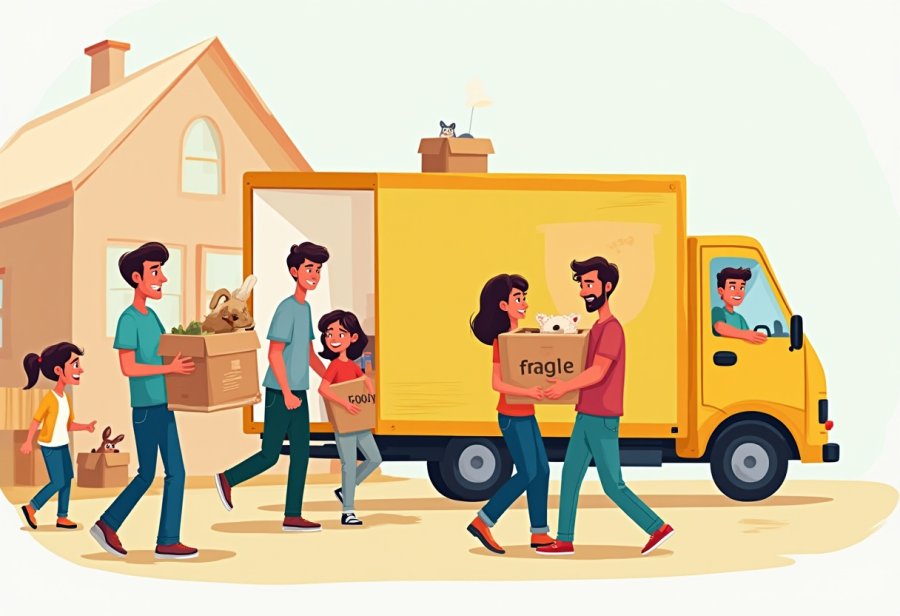
Looking ahead, the future of safeguarding valuables during moves is set to be transformed by innovative technology and smarter solutions. Embedded sensors within packing materials are beginning to monitor environmental conditions like temperature, humidity, and shocks in real time. If anything threatens to damage an item—such as sudden jolts or temperature fluctuations—these sensors send immediate alerts, allowing movers or clients to take quick action. This shift from reactive protection to proactive monitoring promises to drastically reduce damage and increase peace of mind.
Automation is also making its way into the industry. Robotic systems and automated handling tools are being developed to handle fragile and heavy objects with gentle precision. These advancements lower the risk of human error and physical strain, particularly when dealing with high-value or delicate possessions. As robotics become more accessible, their integration into moving operations will streamline handling processes, ensuring consistent care and reducing the chance of accidents during transit.
Digital planning and tracking tools continue to evolve, offering unprecedented transparency. Augmented reality applications enable movers to visualize space and plan item placements before the move, minimizing surprises and hazards. Meanwhile, real-time digital tracking provides clients with continuous updates on their belongings’ location and condition. This level of oversight helps prevent mishaps and allows for quick responses if issues arise, making the entire relocation process more controlled and less stressful.
Furthermore, purpose-built packaging solutions are becoming more sophisticated. Customized crates and containers—designed for specific high-value or sensitive items—incorporate environmental sensors and are crafted to fit each object precisely. These containers provide an extra layer of security, safeguarding belongings against the unpredictable conditions of transit, no matter how far or challenging the journey.
Training standards and safety protocols are also set to advance. Industry organizations are expanding certification programs that emphasize handling high-value items, advanced packing techniques, and risk management. Ongoing professional development ensures movers stay updated on emerging risks and best practices, elevating the overall quality of service. This focus on education and standards reassures clients that their possessions are protected by highly trained professionals employing the latest safety measures.
As these innovations mature, the process of moving valuables is becoming safer, more efficient, and more predictable. Smarter materials, automation, real-time data, and enhanced training work together to create a future where safeguarding possessions is not just a priority but a seamlessly integrated part of every move. For clients, this means fewer surprises, less stress, and greater confidence that their treasures will arrive intact—ready to be enjoyed in their new space.