Imagine transforming daily walks with your dog into peaceful, bonding moments rooted in trust and mutual understanding. Mastering the art of calm leash walking isn’t just about obedience—it’s about creating a shared experience that deepens your connection. But how do you turn a typically chaotic outing into a serene, enjoyable activity? This guide reveals that patience, consistency, and positive reinforcement are your keys to success. From understanding your dog’s natural instincts to managing distractions in busy environments, you’ll learn practical techniques to redirect behaviors like pulling or fixating on sights and sounds. With step-by-step strategies, tailored routines, and the right tools, you can gradually build your dog’s focus and calmness, even in challenging settings. Are setbacks inevitable? Yes, but each small victory reinforces trust and confidence, turning everyday walks into rewarding moments of harmony. Are you ready to unlock a more peaceful, joyful companionship with your furry friend?
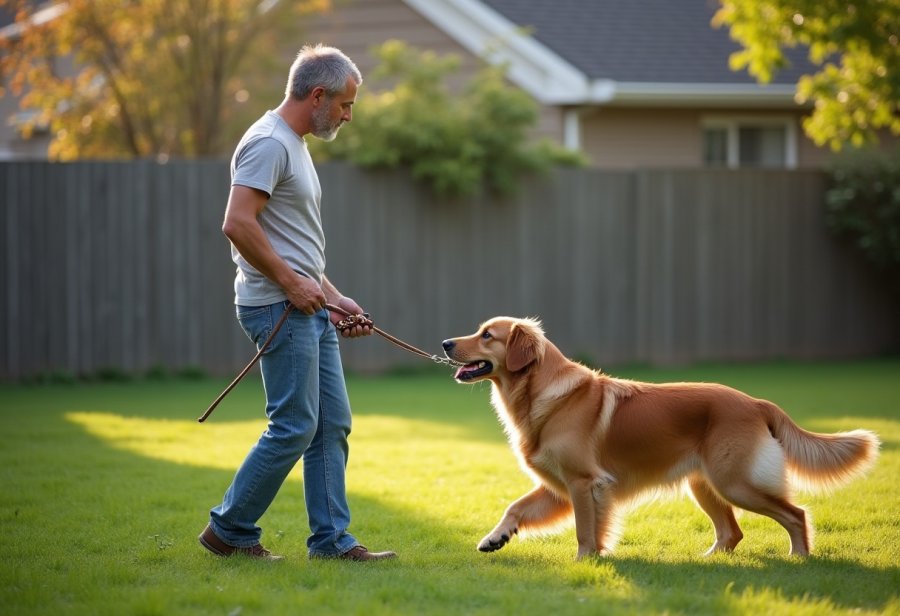
Transform Your Walks: Building a Bond Through Calm Dog Leash Skills
A calm walk with your dog is about more than just covering distance; it’s a meaningful opportunity to strengthen your connection. When your dog walks politely beside you, it reflects a bond rooted in trust and understanding that goes beyond basic obedience. These peaceful moments aren’t just enjoyable—they lay the groundwork for a relationship built on patience, clear communication, and mutual respect. As your dog learns to stay relaxed and attentive, each walk becomes a shared experience of harmony rather than a daily challenge.
Walking calmly also offers emotional benefits for your dog. When they can remain composed amid distractions, it reduces stress and anxiety, making outings safer and more pleasant. A relaxed dog is less likely to pull or bark excessively, turning walks into a true bonding experience for both of you. Achieving this calmness requires consistency and patience, but with steady effort, it naturally becomes part of your routine.
At the core of peaceful leash walking is training that encourages focus and patience. It’s not about dominance or control but about creating a sense of safety and trust so your dog feels confident listening to your cues. Positive reinforcement—using treats or praise—plays a crucial role in shaping these behaviors. Over time, your dog will associate calm walks with positive outcomes, strengthening your relationship and making outings more enjoyable.
This approach isn’t limited to puppies; dogs of all ages can benefit from calm leash training. Whether you’re working with a lively puppy or an older dog needing to adjust old habits, the principles remain the same. These relaxed walks become moments of mutual understanding and joy, deepening your bond and transforming everyday outings into truly fulfilling experiences.
Understanding Dog Behavior: The Foundations of Calmness
Understanding what motivates a dog’s behavior is essential when aiming for calmness during walks. Dogs are naturally curious and energetic, reacting instinctively to sights, sounds, and smells in their environment. This curiosity can lead to pulling on the leash or getting distracted, but these responses are normal rather than stubbornness. Recognizing that such behaviors are rooted in instinct and past experiences helps us approach training with patience and empathy. They’re behaviors that can be guided and reshaped through consistent, positive methods.
Positive reinforcement is the foundation of effective training. Instead of punishing unwanted actions, rewarding calm behavior encourages your dog to repeat it. Treats, praise, and gentle petting make calmness a desirable state, strengthening trust and mutual respect. Clear routines and predictable cues provide your dog with a sense of security, reducing anxiety and reactivity. When your dog knows what to expect, they’re more likely to stay composed, even in unfamiliar or challenging settings.
Training methods have evolved from correction-based techniques to more compassionate, bond-centered approaches. Today, gentle guidance combined with positive rewards fosters confidence and self-control. Every dog is unique, and understanding their individual temperament is key. Some may take longer to develop focus, especially if naturally excitable or anxious. Adjusting your approach accordingly ensures steady progress and helps build a trusting relationship.
Environmental distractions are a common hurdle. Starting training in quiet, familiar areas allows your dog to learn focus without feeling overwhelmed. As they improve, gradually introduce busier environments, always redirecting their attention with cues or treats when needed. This step-by-step exposure builds resilience and calmness, transforming walks from chaotic to peaceful. Patience, consistency, and a gentle touch are your best tools in guiding your dog toward relaxed, enjoyable outings.
Inside the Mind of Your Dog: Behavioral Psychology and Training Techniques
Understanding how a dog thinks and reacts is key to teaching calmness during walks. Dogs are naturally curious and energetic, driven by instincts and emotions that influence their behavior. When they pull on the leash or fixate on distractions, it’s often a normal response to sights, sounds, and smells. Recognizing that these reactions aren’t stubbornness but learned behaviors allows us to approach training with patience and empathy. By guiding these impulses with positive reinforcement, we help your dog learn self-control without frustration or harsh corrections.
Focus training is essential for building calmness. Teaching your dog to respond to cues like “look” or “focus,” then rewarding their attention, gradually strengthens their ability to stay centered amid distractions. When faced with a squirrel or loud noise, redirecting their focus and praising calm responses reinforces their confidence and self-restraint. Over time, this process makes it easier for your dog to remain relaxed even in stimulating environments, turning chaotic walks into peaceful outings.
Managing impulses like pulling or reactive behaviors requires consistent redirection. Gentle guidance back to your side, combined with immediate rewards for focus, encourages your dog to stay close rather than chase or lunge. Avoid harsh corrections, which can damage trust; instead, maintain a steady, calm demeanor. Small, repeated successes—such as moments of quiet focus or extended walks without pulling—build a foundation of trust and calmness that becomes more natural with practice.
Different training philosophies influence how we teach these skills. Reward-based methods, emphasizing praise and treats, foster positive associations and confidence. Some trainers incorporate tools like clickers or specialized harnesses to support redirection and control, making training more effective and comfortable for your dog. Regularly practicing in low-stimulation environments before gradually increasing difficulty helps your dog develop resilience to distractions, ensuring calmness becomes a consistent part of your walks.
Patience remains vital through every step. Progress may be slow, and setbacks are part of the process. Staying consistent, calm, and positive allows your dog to feel safe, which is crucial for long-term success. By understanding your dog’s natural instincts and responding with gentle guidance, you create a trusting environment where calmness and focus flourish, transforming walks into moments of mutual relaxation and connection.
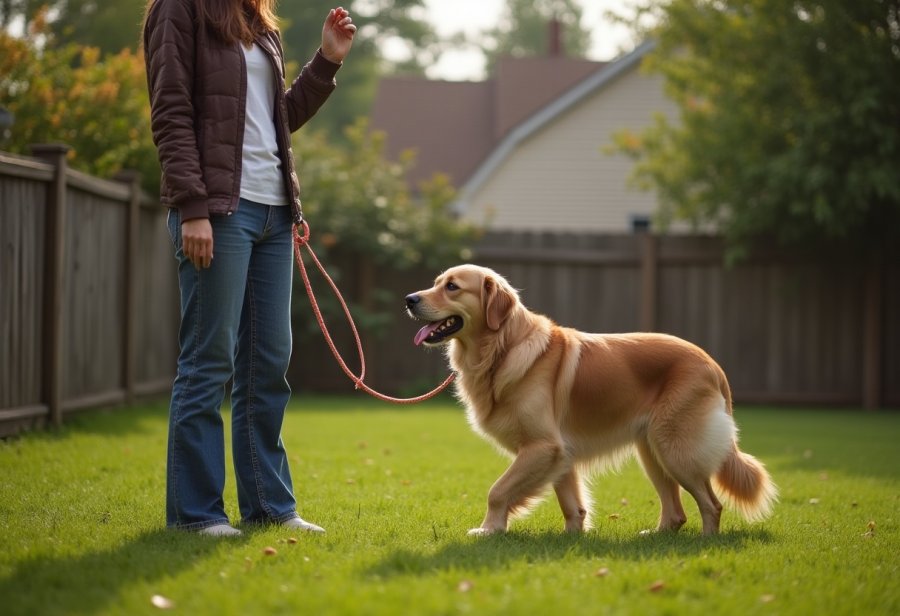
From Theory to Practice: Applying Calm Leash Walking in Real-World Scenarios
Applying the techniques for calm leash walking in real-world settings means starting small and gradually building up. Begin in quiet, familiar places like your backyard or a quiet park where your dog can focus without feeling overwhelmed. When your dog walks calmly, reward them generously with treats and praise, making it clear that relaxed behavior leads to positive outcomes. Consistent cues and rewards help your dog understand what’s expected, creating a routine they can rely on.
As your dog improves, slowly introduce busier environments, such as streets filled with foot traffic or parks with other dogs. Take these situations step-by-step, always monitoring your dog’s focus and calmness. If pulling or distractions occur, redirect their attention with a cue like “focus” or a treat, and praise when they respond well. Keep sessions short—around five to ten minutes—to prevent boredom and frustration, which helps your dog stay engaged and eager to learn.
Your body language plays a key role. Maintain a relaxed and confident posture, using a calm tone to communicate safety and control. When you’re steady and patient, your dog is more likely to mirror your calm demeanor, making walks more peaceful. If setbacks happen, return to easier environments and reinforce calm behavior before progressing again. This gradual approach builds confidence and trust, ensuring progress feels natural and sustainable.
Using the right tools can support your efforts. A well-fitted harness with a front clip makes redirection easier and more comfortable for your dog, especially during more challenging walks. Treat high-value rewards for moments of focus in stimulating environments to keep motivation high. Remember, consistency and patience are your best allies—small successes like maintaining focus or walking longer distances mark real progress.
Keep training sessions brief, ideally between five and ten minutes, and repeat them regularly throughout the day. This prevents your dog from becoming overwhelmed and helps solidify good habits. Celebrate each small victory—whether it’s a moment of calm or an extended relaxed walk—to stay motivated and positive about the progress you’re making.
If challenges persist despite your best efforts, don’t hesitate to seek guidance from a professional trainer. They can offer tailored strategies suited to your dog’s specific needs and temperament. Remember, setbacks are part of the learning process; patience and consistency turn these obstacles into opportunities for growth, leading to more peaceful, enjoyable walks that strengthen your bond.
Investing in Peaceful Outings: Budgeting for Training Tools and Classes
Training your dog to walk calmly on a leash involves some upfront costs, but understanding what to expect can help you plan effectively. Basic tools like collars, harnesses, and leashes are affordable options that provide a safe, controlled way to manage walks. Investing in a good-quality harness, especially one with a front clip, might be slightly more expensive initially, but it often makes training easier and more comfortable for your dog. These tools can significantly reduce pulling and make redirection smoother, saving frustration down the line.
If you opt for professional help, group classes or private sessions with a trainer can offer tailored guidance and accelerate progress. Prices vary depending on location and trainer expertise, but many owners find this investment pays off in a more confident, well-behaved dog. These sessions often provide hands-on techniques that are hard to master alone, particularly for tricky behaviors like pulling or distraction.
Ongoing reinforcement involves treats, toys, and praise, which can add up over time. High-value treats are especially useful during initial training phases or in more stimulating environments. While treats are a small expense, they’re essential for motivating your dog and reinforcing good behavior. Budgeting for these recurring costs from the start keeps training consistent and effective.
Fortunately, there are affordable options without sacrificing quality. Durable equipment from reputable brands lasts longer and is more comfortable for your dog, making training sessions more successful. Online tutorials, community workshops, and local training groups often offer free or low-cost support, helping you stay on track without breaking the bank.
Remember, the real investment isn’t just in tools or classes but in your time and patience. Short, regular practice sessions are more effective than lengthy, infrequent ones. This consistent effort builds progress steadily and prevents burnout—for both you and your dog.
When considering costs, think of them as investments in your dog’s well-being and your shared happiness. Planning ahead and choosing quality resources ensures your training remains consistent and effective. These small financial commitments lead to a lifetime of peaceful, joyful walks, strengthening your bond and making every outing a positive experience for both of you.
Planning for Success: Structuring a Consistent Leash Training Routine
Creating a structured leash training routine starts with setting clear, manageable goals. Decide whether your focus is on reducing pulling, increasing focus, or simply making walks more relaxed. Break these objectives into small steps so your dog can build confidence without feeling overwhelmed. Consistency in timing and familiar routes helps your dog feel secure, which encourages calmness and focus. Using simple cues like “focus” or “heel” regularly reinforces what you expect and helps your dog understand the routine.
Practice these cues in short sessions—around five to ten minutes—and repeat them multiple times a day. Short, frequent training keeps your dog engaged and prevents boredom or frustration, making learning easier. As progress becomes evident, gradually extend the duration of walks and introduce new challenges, such as busier environments or distractions. Always reward your dog immediately when they respond correctly, reinforcing good behavior and building trust. Tracking your progress in a journal or app can help you see how far your dog has come and identify areas needing extra attention.
Gradually exposing your dog to more stimulating settings is key. Begin in quiet, low-distraction areas and slowly move to busier streets or parks. This step-by-step approach helps your dog adapt without becoming overwhelmed, fostering resilience and calmness. Remember to maintain a relaxed, confident posture and use a calm tone to communicate safety and control. If setbacks happen, revisit easier settings and reinforce calm behavior before progressing again. Patience and consistency are essential for long-term success.
Building a routine also involves adapting to your dog’s unique needs. Some dogs may take longer to develop focus, especially if naturally excitable or anxious. Adjust your approaches accordingly, and don’t rush the process. Small victories—like a longer focus period or a relaxed walk in a new environment—are signs of progress. Celebrate these moments to stay motivated and reinforce the positive association your dog is forming with calm, peaceful walks.
Finally, remember that patience and persistence outweigh quick fixes. Training isn’t about perfection but progress. By establishing a reliable routine and sticking with it, you turn everyday walks into opportunities for bonding and trust. Over time, these small, deliberate steps create a foundation for calm, enjoyable outings that strengthen your connection and make every walk a shared success.
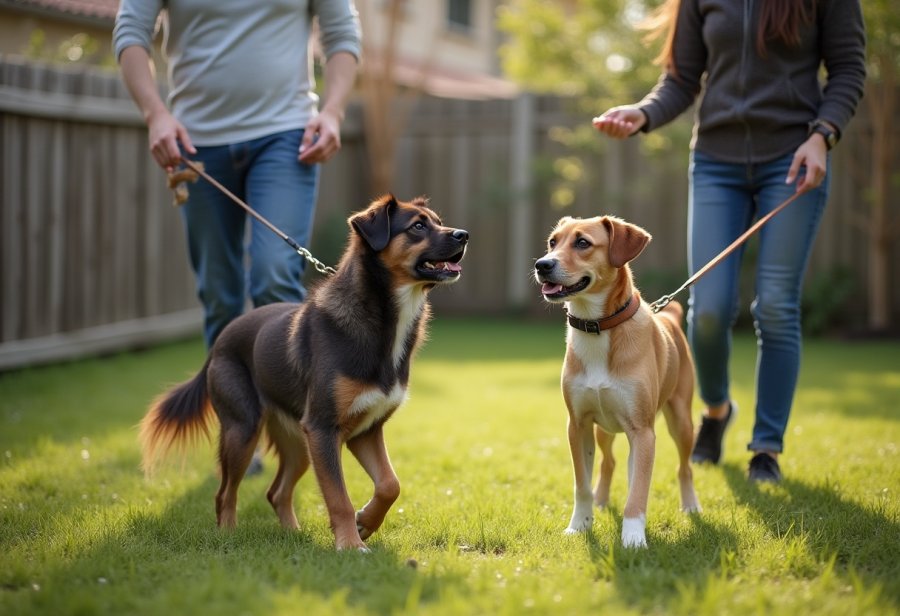
Overcoming Hurdles: Challenges and Solutions for Calm Dog Walking
Training a dog to walk calmly on a leash often comes with its share of hurdles. One common issue is your dog pulling ahead or trying to dart after sights and sounds. This natural instinct to explore can make walks tense and frustrating, especially if your dog is easily distracted. The key is to anticipate these moments and be ready with redirection techniques. When your dog pulls or fixates on something, gently guiding them back to your side and rewarding their focus helps reinforce the behavior you want.
Distractions are another challenge that can throw off progress. Busy environments, loud noises, or other animals often cause your dog to lose concentration. Instead of reacting with frustration, take a step back and practice in quieter settings first. Gradually introduce more stimuli as your dog becomes more reliable in staying calm and attentive. Consistency and patience are vital; setbacks are normal but don’t mean failure. Every attempt to redirect and reinforce focus builds trust and self-control.
Impatience can also hinder progress. Training takes time, and early efforts might seem slow or unremarkable. Keep your tone steady and positive, celebrating small successes like brief moments of focus or longer relaxed walks. Avoid raising your voice or correction, which can damage trust. Remember, small wins build a foundation of confidence, making the journey smoother over time.
Some dogs resist cues or become overly excited outside, often due to natural energy levels or anxiety. To address this, keep training sessions short and positive, ending on a good note. Gradually increase exposure to stimulating environments, always redirecting when your dog gets overwhelmed. This step-by-step exposure helps your dog learn to relax amid distractions, turning chaotic outings into peaceful experiences.
Using the right tools can make a significant difference. Well-fitted harnesses or clickers support redirection and help mark good behavior. If persistent issues arise despite your efforts, consulting a professional trainer can provide tailored strategies. Remember, setbacks aren’t failures—they’re opportunities to refine your approach, ensuring your training remains effective and your walks become more enjoyable for both of you.