What if the greatest obstacle to swimming at any age isn’t the water itself, but the courage to take that first leap? This inspiring exploration reveals how learning to swim transforms fear into freedom, confidence, and joy. Whether you’re a nervous beginner or someone overcoming past anxieties, the journey emphasizes patience, small victories, and emotional resilience. From gentle familiarization to mastering advanced skills, the path builds trust in your body and mind, turning water from a source of dread into a space of empowerment. Beyond safety and technique, swimming becomes a catalyst for personal growth, enriching daily life with newfound independence and adventure. Why wait for perfect conditions when each step forward can unlock a lifelong love and confidence in the water? Discover how embracing this journey can reshape your mindset, proving that it’s never too late to overcome fears and embrace the empowering joy of swimming.
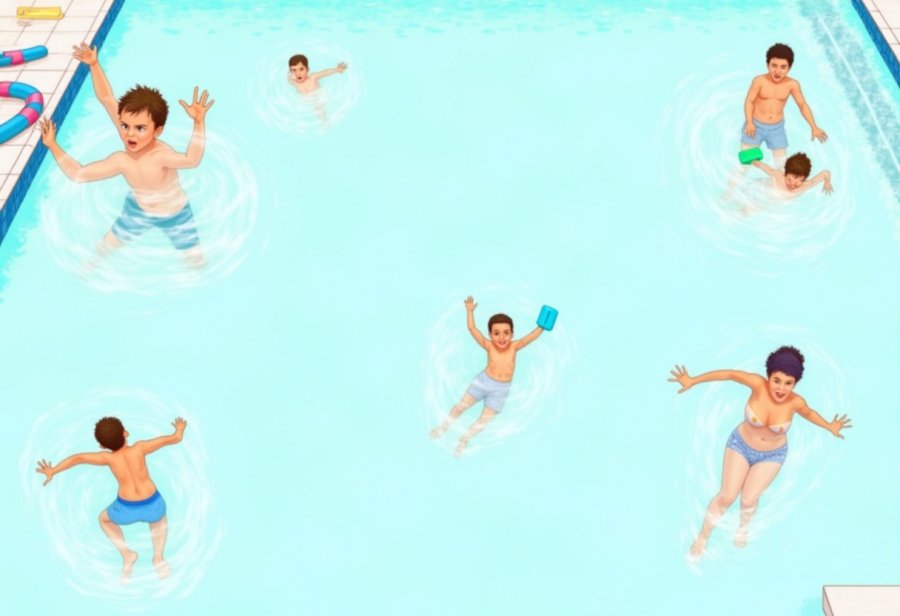
Transform Water Fears into Confidence at Any Age
Learning to swim isn’t just about mastering strokes or floating—it’s a personal journey that can turn water fears into confidence. For many, the idea of stepping into the water feels intimidating or overwhelming, especially if past experiences have been negative or if they’ve never learned how to feel at ease in it. Starting at any age might seem daunting, but taking that first step—whether dipping your toes in or signing up for a beginner lesson—is often the hardest part. It’s a moment of decision that opens up a world of new possibilities, from safety to enjoyment, that many people never imagined possible.
When you face water fears head-on, you begin to break down mental barriers that keep you from fully engaging with water. Each small move—like sitting by the pool, splashing your face, or floating with support—builds confidence. These tiny victories are powerful because they show that you can control your environment and trust your body. Remember, every swimmer started exactly where you are now. The key is patience and persistence, understanding that progress might be gradual but that every effort counts.
Water anxiety is common, often rooted in fears of drowning, losing control, or deep water. These fears are natural but manageable. Techniques such as deep breathing, gradual exposure, and positive reinforcement help ease nerves and reinforce your belief that you’re capable of handling the water safely. Seeing water as a space for growth rather than danger shifts your mindset, making each small step feel more achievable.
Building water confidence begins with familiarization. Take your time exploring the environment—touch the water, walk along the pool’s edge, or sit nearby. These simple actions help turn the unfamiliar into something manageable. Breathing exercises and positive self-talk are effective tools to calm nerves and foster a sense of control. The more you practice these, the more your confidence grows, paving the way for more advanced skills.
Progressing from comfort to competence involves embracing small, manageable milestones. Sitting at the pool’s edge, splashing your face, or floating with support are all steps that reinforce your trust in the water. Consistent, regular practice is key—each session helps reinforce skills and reduces anxiety. Remember, building confidence isn’t about rushing; it’s about steady progress and celebrating every little victory along the way.
Safety remains a top priority as you begin this journey. Practicing with support—whether a friend, instructor, or safety gear—until you feel secure is essential. Understanding basic water safety rules and staying within your limits help ensure that learning remains positive and secure. Building water confidence is a gentle, ongoing process that rewards patience and persistence, gradually transforming water from a source of fear into a space of growth and enjoyment.
Every step forward in learning to swim marks a shift from hesitation to confidence. It’s about more than just the physical act; it’s about reclaiming your sense of safety, independence, and joy in the water. With each small victory, you’re laying a foundation for a lifelong relationship with swimming—one rooted in trust, resilience, and the thrill of overcoming fears. This journey isn’t just about swimming; it’s about discovering your capacity to face challenges and emerge stronger.
Lay the Foundations of Your Water Confidence Journey
Building water confidence starts with the right mindset. Approaching learning with patience, openness, and self-compassion lays a solid foundation. Instead of rushing to master everything at once, focus on small, achievable steps and celebrate each victory along the way. Recognizing progress—no matter how minor—fuels a positive attitude that keeps motivation high and effort consistent.
Getting comfortable in the water involves gentle familiarization. Spend time exploring your environment at your own pace—touch the water’s surface, walk along the pool’s edge, or sit nearby. These simple actions help transform the unfamiliar into something manageable, reducing anxiety and building trust in your surroundings. The goal is to turn water from an intimidating force into a space where you feel safe and in control.
Mastering basic techniques is essential for progress. Learning to control your breath—inhale slowly and exhale steadily—creates a sense of calm that carries over into your movements. Practicing supported floats on your back or stomach helps you trust your buoyancy and body. As these skills become more familiar, your confidence grows, and the water begins to feel less like a threat and more like an ally.
Many fears stem from a perceived loss of control. Breaking the learning process into small, manageable steps makes it more approachable. Sitting at the pool’s edge, splashing your face, or practicing supported floats are achievable milestones that reinforce your trust. Visualizing yourself swimming calmly or floating effortlessly prepares your mind for success, reducing hesitation and increasing readiness.
Consistency is key. Regular, even brief, practice helps reinforce new skills and gradually diminishes anxiety. Each session builds trust in your abilities and in the water itself. Confidence isn’t built overnight—patience and persistence are your allies. Every small effort accumulates, transforming nervousness into comfort and assurance.
Safety remains a priority throughout this journey. Practice with support—be it friends, instructors, or safety gear—until you feel secure. Understanding basic water safety rules and respecting your limits ensure that progress remains positive and secure. This gentle, steady approach makes water confidence an attainable goal for everyone.
As you build this foundation, you’ll find that each small step enhances your trust in your body and mind. This growing confidence makes it easier to face deeper water or more complex skills, turning water from a source of fear into a place of empowerment. The process of cultivating water confidence isn’t just about techniques; it’s about reshaping how you see yourself in and around water, opening the door to lifelong enjoyment.

Deepen Your Water Confidence and Embrace New Skills
As you grow more comfortable in the water, the next step is to deepen your confidence through advanced skills and emotional resilience. This stage isn’t just about learning new strokes; it’s about making swimming feel effortless and natural. When you master controlled, rhythmic breathing, staying relaxed becomes second nature, helping you conserve energy and maintain focus during longer sessions. A steady breath reduces panic and fatigue, reinforcing your sense of mastery over the water.
Refining your stroke mechanics is crucial for progressing confidently. As your trust in your abilities increases, you’ll notice your movements becoming smoother and more efficient. Whether it’s freestyle, backstroke, or breaststroke, these techniques start to feel automatic, transforming swimming from a challenge into a graceful flow. This progress not only boosts your confidence but also encourages you to explore further, turning the water into a space of empowerment rather than fear.
Beyond physical technique, emotional growth plays a key role at this stage. Facing deeper water or unfamiliar conditions can trigger anxiety, but with a calm mindset and patience, you learn to manage these feelings. Staying relaxed and trusting your body allows you to confront new environments, like open water or challenging currents, with curiosity instead of hesitation. As you realize you can handle more demanding situations without panic, your resilience and self-trust strengthen.
Breaking complex challenges into manageable steps makes it easier to build this deeper confidence. Swimming in slightly deeper water, practicing longer distances, or trying different strokes serve as milestones that expand your comfort zone. Visualizing yourself swimming effortlessly or floating calmly can mentally prepare you for these moments, boosting your belief that you’re capable of handling more advanced water experiences.
As physical skills advance, so does your emotional resilience. You begin to see setbacks or unfamiliar situations as opportunities rather than threats. Each successful experience—whether it’s a longer swim or floating in open water—solidifies your trust in your abilities. This mindset shift turns water from a source of anxiety into a space of growth and adventure, fueling your desire to explore and push your limits.
Trusting your body and mind more fully, you start to approach water with curiosity and confidence. Deepening your skills makes it easier to face new challenges—like swimming in open water, tackling currents, or increasing distances—transforming fear into excitement. These moments of mastery reinforce the idea that water is a space for empowerment, not just safety.
Ultimately, this phase is about embracing the journey of ongoing improvement. Every new skill mastered and every emotional hurdle overcome adds to your sense of independence. Confidence in the water becomes a foundation for a lifelong relationship with swimming—one rooted in resilience, joy, and a sense of achievement. The more you invest in this process, the clearer it becomes that water fears can be replaced with a genuine love for the water and all the adventures it offers.
Harness Swimming Skills for Daily Safety and Joy
Learning to swim isn’t just about feeling comfortable in the pool; it has real, practical benefits that show up in everyday life. When you’re confident in water, you’re better equipped to handle unexpected situations—like helping a family member in trouble or catching yourself if you stumble near the water’s edge. Knowing how to swim reduces the risk of accidents and brings peace of mind, especially around children or during water-based outings. It turns water from a potential hazard into a space where you feel safe, in control, and ready to respond.
Beyond safety, swimming opens doors to a wide range of recreational activities. Whether it’s a day at the beach, a boat trip, or a paddleboarding adventure, being comfortable in water makes participating easier and more enjoyable. Gaining water confidence allows you to try new activities that once seemed intimidating, adding a sense of adventure and connection to nature. These experiences boost your overall enjoyment and create memories that can last a lifetime.
Having strong swimming skills also makes routine water interactions more effortless. Imagine confidently wading into a pool after work or helping a child learn to float. These simple moments become second nature, fostering independence and reducing anxiety about water. Plus, if an emergency arises—like someone needing help—your ability to stay calm and respond effectively could make all the difference. Building this kind of confidence helps you see water as a space of empowerment rather than fear.
Many communities recognize how vital water skills are, offering accessible programs for all ages. Schools include swimming in physical education, helping children develop comfort early on. Local centers and organizations provide beginner classes tailored for adults who want to overcome fears or start late. Public health campaigns emphasize water safety, encouraging responsible behavior and basic rescue skills. These efforts aim to break down barriers, ensuring more people can enjoy the benefits of water confidence safely.
The advantages extend beyond physical safety—they also support mental well-being. Swimming can be a calming, mindful activity that reduces stress and lifts your mood. When you trust your ability to handle water, you’re more likely to seek out water activities and enjoy them fully. That sense of mastery and freedom often spills over into other parts of life, encouraging resilience and a positive outlook. Every swim reinforces your confidence, making water a source of joy and strength in your daily routine.
Building water confidence transforms more than just your skills; it reshapes how you see yourself and your capabilities. It turns water from a source of fear into a space for growth, exploration, and empowerment. With each step, you become more prepared to face new challenges—whether it’s a deep lake or an ocean swim—with curiosity rather than hesitation. This journey fosters resilience, independence, and a lifelong love of water that enriches many aspects of daily life.
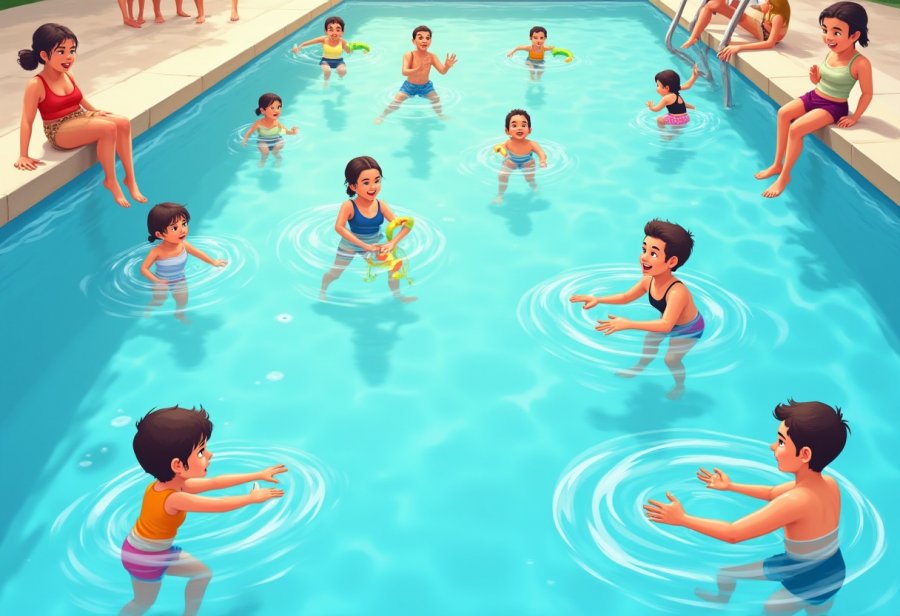
Reflect on Your Journey and Celebrate Lifelong Empowerment
Learning to swim is more than acquiring a new skill; it’s a journey that can reshape how you see yourself and your abilities. From the first hesitant dips to confident strokes, each step builds trust in your body and mind, reinforcing that safety, independence, and joy are within reach at any age. This transformation goes beyond physical techniques—it changes your mindset, turning water from a source of fear into a space for growth and empowerment.
The small victories along the way often surprise those who start the process. What begins as cautious splashes or tentative floats can evolve into relaxed, confident swimming. These moments prove that fears can be managed and replaced with trust, opening the door to new possibilities. As your confidence grows, so does your willingness to explore, take on new challenges, and enjoy water activities that once seemed out of reach.
Building water confidence isn’t just about mastering strokes; it’s about cultivating resilience. Each challenge faced and each comfort zone expanded helps you see setbacks not as failures, but as opportunities to learn and grow. This mindset shift fosters a sense of mastery that extends beyond the pool, encouraging you to approach life’s obstacles with curiosity and courage.
Understanding that it’s never too late to start can be a powerful motivator. Every effort, no matter how small, contributes to a stronger sense of independence and self-trust. Patience and persistence remain key; progress might be gradual, but each step forward solidifies your relationship with water and yourself. Celebrating these small victories keeps motivation high and anxiety low.
The benefits of water confidence ripple outward, impacting many areas of life. Whether it’s feeling prepared for emergencies, enjoying recreational outings, or simply reducing water-related fears, swimming becomes a source of strength. It fosters mental well-being, helping to reduce stress and boost mood, while reinforcing your capacity to face challenges with calm and resilience.
This journey also teaches that growth is continuous. Every new skill learned, every fear overcome, adds to your sense of independence and adventure. The water becomes a place of exploration rather than hesitation, inviting you to embrace new environments and experiences with confidence. Each swim becomes a testament to your perseverance and willingness to face fears head-on.
In embracing this path, you unlock more than just swimming abilities—you gain a lifelong sense of empowerment. The fears that once held you back can be replaced by a love for the water and a belief in your own resilience. This journey’s greatest reward isn’t just in the strokes or floats but in the confidence and strength that carry over into every part of life.
Finally, learning to swim transforms not only how you move through water but how you navigate life’s uncertainties. It’s a reminder that courage can be cultivated at any age, and that with patience and persistence, fears can turn into freedom. Each step, each victory, is a powerful reminder that you are capable of more than you imagined, and that the journey itself is worth every effort.