Transforming Toronto yards into stunning outdoor retreats involves a delicate balance between beauty, sustainability, and client satisfaction. How can homeowners craft inviting, resilient spaces amid Toronto’s unique climate challenges and limited urban space? This guide reveals that thoughtful design rooted in native plants, eco-friendly materials, and smart irrigation can turn small, difficult yards into vibrant sanctuaries. Real-world projects highlight how strategic plant selection and sustainable features reduce maintenance while supporting local ecosystems. From phased installations to adaptive maintenance, the focus remains on creating outdoor environments that are both aesthetically appealing and environmentally responsible. As emerging technologies like smart irrigation and versatile design trends evolve, the future promises even more resilient, effortless landscapes. Could innovative, sustainable solutions redefine urban outdoor living, making every backyard a personal, eco-conscious retreat? The journey toward greener, more beautiful Toronto yards is ongoing—do you have what it takes to be part of it?
Transform Your Toronto Outdoor Space with Expert Landscaping
Looking to elevate your outdoor living in Toronto? Toronto Landscape & Design (TLD) offers exceptional services including natural stone installations, water gardens, irrigation systems, and retaining walls. Our award-winning designers take everything into consideration to create a stunning and functional backyard. Whether you’re dreaming of a tranquil water feature or a durable retaining wall, our team ensures every detail is perfect. Discover how a backyard makeover can redefine your outdoor space. For consultations, contact us at [email protected] or call 1.416.644.0499 today.
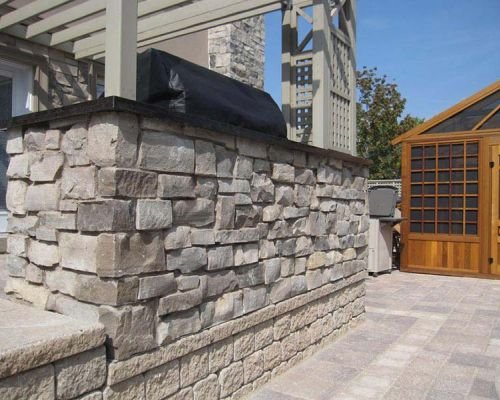
Transforming Toronto Yards into Resilient Outdoor Retreats
Creating outdoor retreats in Toronto’s residential landscapes is both an exciting opportunity and a real challenge. The city’s unique mix of dense neighborhoods and nearby green spaces offers homeowners the chance to craft personal outdoor escapes, but space and climate constraints add complexity. Balancing aesthetic appeal with practicality requires thoughtful planning, especially given Toronto’s cold winters and hot summers. The goal is to design outdoor environments that are inviting and relaxing, yet resilient and low-maintenance through all seasons.
Toronto’s weather plays a significant role in shaping successful landscape choices. Heavy snowfall and freezing temperatures in winter demand hardy plant selections and durable materials. Summers, though short, can be unpredictable, making it essential to create outdoor spaces that adapt seamlessly throughout the year. Native plants, which are naturally suited to Toronto’s climate, become especially valuable—they require less water, fertilizer, and care, making them a smart, sustainable choice that eases ongoing maintenance.
Limited space in the city adds another layer of challenge. Maximizing every inch involves clever layouts with designated zones for lounging, dining, or gardening, all while maintaining a cohesive look. Weather-resistant features like covered patios or windbreaks can extend usability beyond the warmer months, transforming small yards into functional retreats year-round. Navigating local regulations and permits may seem daunting, but these hurdles often inspire innovative solutions that blend style with environmental responsibility.
Despite these hurdles, each obstacle sparks creativity. Thoughtful choices—such as eco-friendly materials, native plants, and smart irrigation systems—can turn even the smallest yard into a lush, sustainable sanctuary. These decisions not only enhance visual appeal but also support Toronto’s ecological health. When landscape design considers the city’s environment and constraints, homeowners end up with outdoor spaces that are as beautiful as they are resilient.
Ultimately, transforming a Toronto yard is about more than planting flowers or installing features. It’s about making informed decisions that respect the environment, fit urban spaces, and reflect the homeowner’s lifestyle. When done right, these projects increase property value, improve quality of life, and foster a deeper connection to the local landscape. A clear understanding of Toronto’s unique environment sets the foundation for outdoor retreats that are both stunning and sustainable, creating personal escapes right outside the door.
Foundations of Sustainable and Beautiful Landscape Design
Creating a successful outdoor space starts with understanding the fundamental design principles that blend beauty, practicality, and sustainability. A good design begins by observing the natural features of the site—such as topography, sunlight, wind patterns, and existing vegetation. These elements serve as the blueprint, guiding the layout so that new features integrate seamlessly with the environment rather than fighting against it. When a landscape respects its natural surroundings, it feels more harmonious and becomes a natural extension of the home.
Sustainability weaves through every decision, especially in Toronto’s climate. Native plants are a cornerstone—they’re adapted to local conditions, requiring less water, fertilizer, and ongoing care. Choosing eco-friendly materials for pathways, patios, and furniture further supports environmental goals. Incorporating water-wise irrigation systems, like drip watering and rain sensors, conserves resources while keeping plants healthy. These choices not only cut long-term costs but also reduce the ecological footprint of the landscape.
Visual appeal can be achieved through thoughtful layering of textures and contrasting colors. Native shrubs, perennials, and groundcovers create lush landscapes that support pollinators and local wildlife. Proper placement—taller plants at the back, shorter ones in front—adds depth and guides the eye naturally. Soft lighting, such as pathway lamps or spotlights on focal points, extends usability into the evening, transforming the yard into an inviting space even after sunset.
Understanding what homeowners want is just as important as applying design principles. Listening carefully to their lifestyle needs—whether it’s a quiet retreat, an outdoor kitchen, or a lively gathering spot—ensures the final landscape feels personal and authentic. When the design aligns with their routines and personality, satisfaction grows, and the outdoor space becomes a true extension of their home.
Creating zones for different activities—lounging, dining, gardening—while maintaining a cohesive look is essential for long-term enjoyment and functionality. Proper lighting, contrasting textures, and focal points like sculptures or water features elevate the overall aesthetic. When these elements come together thoughtfully, the outdoor environment encourages relaxation, socializing, and outdoor enjoyment, making every moment spent outside more meaningful.
Eco-friendly practices are no longer just trends but vital for landscapes that last. Incorporating native plants, rainwater harvesting, and sustainable materials supports Toronto’s environment and reduces ongoing maintenance. These features help manage stormwater runoff, promote biodiversity, and lower water bills. Choosing sustainable options results in a yard that’s not only beautiful but also responsible, adding value and peace of mind for homeowners.
Real-World Success Stories in Eco-Friendly Yard Makeovers
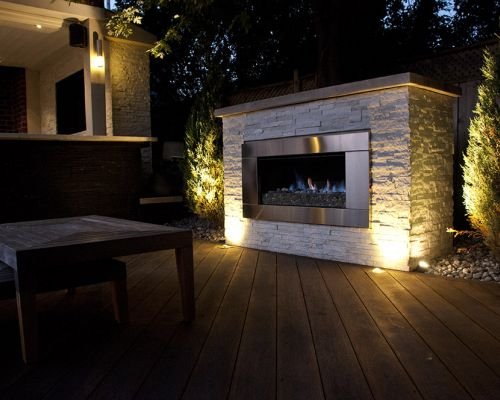
Real-world projects in Toronto highlight how blending beauty with sustainability can lead to striking outdoor transformations. One example involved a modest backyard that homeowners wanted to turn into a peaceful retreat. By choosing native plants well-suited to Toronto’s climate, the landscape reduced watering needs and minimized ongoing maintenance. Adding a rainwater harvesting system supported irrigation, helping the yard stay lush without relying heavily on municipal water. The cozy fire pit area became a favorite spot for evening gatherings, transforming a small space into a welcoming oasis. This project demonstrates how thoughtful plant selection and water-saving features can create a vibrant, eco-friendly retreat that homeowners truly enjoy.
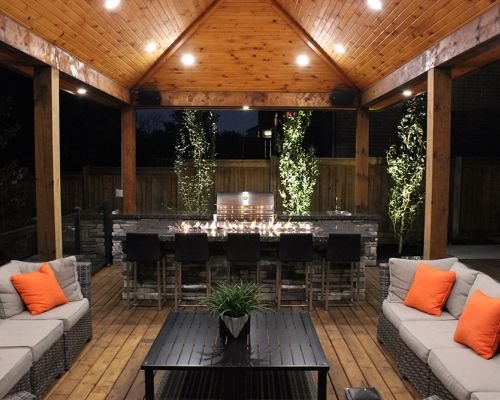
Another project reimagined a narrow urban lot. The design prioritized functionality while maintaining style, with permeable pavers for pathways and native shrubs that attract pollinators. Installing a compact outdoor kitchen maximized the limited space, making outdoor dining effortless. Sustainable materials and strategic planting created a balanced environment that’s both attractive and environmentally responsible. Every inch was carefully utilized, turning a challenging space into a lively, eco-conscious outdoor living area. These examples show that even small yards can become lush retreats when guided by smart, sustainable design choices.
The success of these projects hinges on key principles: native plants support local ecosystems and require less water, while sustainable materials lower environmental impact. Features like rainwater harvesting and permeable paving not only benefit the environment but also reduce long-term costs for homeowners. Even in tight spaces, a well-planned landscape can be both beautiful and responsible. The projects prove that adaptable, eco-friendly solutions can elevate any yard into a vibrant, sustainable sanctuary, demonstrating that beauty and sustainability go hand in hand when approached with care.
Feedback from homeowners confirms the value of these approaches. They enjoy their outdoor spaces more, knowing they’re supporting the environment. For example, a backyard with a fire pit became a favorite gathering spot, while native gardens attracted birds and pollinators, enriching their outdoor experience. These stories underscore how combining thoughtful design with native flora and eco-technologies creates yards that are both attractive and responsible. When homeowners see the tangible benefits—reduced maintenance, increased biodiversity—they’re often inspired to adopt similar practices in their own yards.
Research supports these successes: native plant landscaping can cut water use by up to 30%, and permeable surfaces significantly decrease stormwater runoff. Such practices not only benefit the ecosystem but also save homeowners money and effort over time. These landscapes serve as models for those seeking to balance aesthetic appeal with ecological responsibility, proving that sustainable yards are practical, beautiful, and worth the effort. Through innovative solutions and a focus on local conditions, Toronto’s outdoor spaces are evolving into more resilient, vibrant environments that reflect both style and sustainability.
Practical Steps for Building and Maintaining Your Dream Outdoor Space
Transforming a yard into a beautiful, sustainable outdoor retreat begins with a clear, well-structured plan. Starting with a thorough site assessment helps identify potential challenges like uneven terrain, poor soil quality, or underground utilities. Knowing these details upfront allows homeowners and professionals to adjust their designs early, reducing surprises that could cause delays or inflate costs. This initial step lays the groundwork for a smooth, efficient project.
Breaking the renovation into manageable phases keeps the process organized and minimizes disruption. Beginning with clearing, grading, and establishing proper drainage creates a solid foundation. Installing pathways, patios, and irrigation systems early on ensures structural elements are in place before adding plants and features. Incorporating native plants and eco-friendly materials from the outset supports sustainability objectives and simplifies ongoing maintenance, making the landscape more resilient.
Budget constraints and permit requirements often pose hurdles, but addressing these issues upfront prevents complications later. Open communication about what’s feasible within the available resources helps set realistic expectations. Sometimes, this means choosing more affordable native species or adjusting design details without sacrificing overall quality. Transparent dialogue with clients keeps everyone aligned, streamlining the installation process and avoiding costly surprises.
Utilizing the right resources makes a significant difference. Eco-conscious materials like permeable pavers, reclaimed wood, and sustainable soil amendments not only enhance durability but also reduce environmental impact. Modern tools such as soil testers, landscape design software, and water-efficient irrigation systems improve precision and efficiency during installation. These resources help ensure the project stays on track, delivering a landscape that’s both stunning and easy to care for over time.
Maintenance is crucial to preserving the yard’s beauty and ecological benefits. Regular routines like seasonal pruning, mulching, and soil health checks keep plants vigorous and pests at bay. Installing water-efficient systems—drip irrigation, rain sensors, and timers—conserves resources and ensures plants receive consistent hydration with minimal effort. Educating homeowners on these practices empowers them to maintain their landscape’s health and vibrancy, extending its lifespan.
Staying adaptable throughout the process is key. Environmental conditions and client needs may evolve, requiring adjustments to maintenance routines and plant choices. Connecting with professional networks, attending workshops, and staying updated on eco-friendly practices help homeowners and designers adapt effectively. This ongoing learning ensures landscapes remain resilient, vibrant, and sustainable long after installation, turning a completed yard into a thriving outdoor sanctuary.
Embracing Innovation and Sustainability for Future-Friendly Landscapes
As we look toward the future of outdoor retreats in Toronto, the emphasis on sustainability continues to grow. The lessons learned from recent yard transformations show that native plants, water-efficient systems, and eco-friendly materials are no longer optional—they’re essential for creating resilient, beautiful landscapes. These approaches help reduce water consumption, support local ecosystems, and lower ongoing maintenance costs, making them attractive choices for homeowners seeking a harmonious balance between aesthetics and responsibility.
Emerging technologies are poised to revolutionize landscape design and upkeep. Smart irrigation systems, rain sensors, and solar-powered lighting are becoming more accessible, offering homeowners ways to manage resources efficiently and effortlessly. These innovations not only enhance sustainability but also add convenience, making outdoor spaces more enjoyable and less labor-intensive. As these tools become more integrated into everyday landscape practices, yards will become easier to maintain and better adapted to climate shifts.
Design trends are shifting toward flexibility and adaptability. Movable planters, multi-purpose seating, and expandable outdoor kitchens allow spaces to evolve with changing lifestyles. This focus on versatility ensures that outdoor retreats remain functional and relevant over time, reducing the need for frequent redesigns. Such adaptable features align perfectly with long-term sustainability goals, helping yards stay fresh and practical in the face of shifting tastes and environmental conditions.
Climate change and urban growth continue to challenge traditional landscaping methods, but they also fuel innovation. Developing landscapes capable of withstanding droughts, storms, and urban stresses requires proactive strategies rooted in native plants and eco-conscious materials. Advances in research and technology support resilient design, enabling Toronto’s outdoor spaces to thrive amid these challenges. This ongoing evolution calls for a mindset that prioritizes ecological balance and resource efficiency at every stage.
Community involvement and shared knowledge will play a vital role in shaping greener neighborhoods. When residents, designers, and local organizations collaborate, the adoption of sustainable practices accelerates. Education campaigns, community projects, and resource sharing foster a collective sense of stewardship, transforming Toronto into a city where outdoor spaces are not only beautiful but also vital ecosystems. The future of outdoor retreats lies in this shared commitment to responsible, innovative, and inspiring landscape design, ensuring these spaces remain vibrant and sustainable for generations to come.