Nylon, a ubiquitous synthetic fiber, is woven into our daily lives—from clothing to carpets—yet its origins are rooted in the extraction and transformation of fossil fuels, a process fraught with environmental costs. From habitat destruction and water pollution to greenhouse gas emissions, every stage of nylon’s production leaves an ecological footprint. Its durability means discarded nylon persists for centuries, gradually fragmenting into microplastics that infiltrate oceans and threaten marine life and human health. Despite recycling efforts, the challenge remains to curb its environmental impact, prompting urgent questions: Can we design sustainable alternatives that mimic nylon’s performance? How can we overhaul waste management to prevent microplastic pollution? Recognizing nylon’s complex web of production and disposal risks compels us to rethink our reliance on petrochemical-based materials and strive for solutions that preserve ecosystems and foster a more sustainable future.

Unveiling Nylon: Its Origins and Hidden Environmental Cost
Nylon is a familiar material woven into many parts of our daily routines—from the clothes we wear to the carpets underfoot and the packaging that protects our goods. Its origins trace back to breakthroughs in early 20th-century chemistry, where scientists sought a modern alternative to natural fibers like silk and wool. Its strength, elasticity, and affordability made it a game-changer in manufacturing, allowing industries to produce durable, versatile products at a scale never seen before. Yet, beneath its practicality lies an environmental story that often goes unnoticed.
At its core, nylon is a synthetic fiber born from the chemical transformation of fossil fuels—primarily crude oil and natural gas. Extracting these resources is an energy-intensive process that leaves a heavy ecological footprint, including habitat destruction, water pollution, and greenhouse gas emissions. Once retrieved, these raw materials undergo refining to produce hydrocarbons such as methane, ethylene, and benzene—key ingredients in nylon production. This complex chain of processes relies heavily on fossil fuels, linking nylon’s existence directly to finite, non-renewable resources.
Transforming these hydrocarbons into the monomers that form nylon involves a series of high-energy chemical reactions. For nylon 6,6, the most common type, chemicals like hexamethylenediamine and adipic acid are synthesized through processes that require intense heat, pressure, and catalysts. Each step not only consumes significant energy but also releases pollutants into the environment, contributing to climate change and local air quality issues. Hazardous byproducts are generated and must be carefully managed to prevent further ecological harm.
Once these monomers are in hand, they undergo polymerization—a process where small molecules join to form long, strong chains, creating the fibers we know as nylon. This typically happens through condensation reactions, which release water molecules as byproducts. While the resulting fibers are durable and elastic, the entire process remains heavily dependent on fossil fuel energy inputs. As a result, nylon’s production is intrinsically tied to non-renewable resources, anchoring its environmental footprint from start to finish.
This dependency on petrochemicals extends beyond production. The environmental costs include habitat disruption during extraction, emissions during refining, and pollution from chemical waste. These processes often emit greenhouse gases and other pollutants that exacerbate climate change and harm local ecosystems. Despite advances in cleaner technologies, many manufacturing facilities still discharge hazardous substances into air and water, affecting nearby communities and wildlife alike.
The durability of nylon also shapes its environmental impact long after it leaves the factory. Because it resists natural decay, nylon waste can persist in landfills for centuries. Over time, it fragments into tiny microplastics—microscopic fibers released during washing or through degradation—that are nearly impossible to recover or clean up. These microplastics infiltrate ecosystems, where marine animals mistake them for food, often with fatal consequences. As they accumulate in the environment, they threaten biodiversity and enter the food chain, posing potential health risks for humans.
Nylon’s resilience means discarded items—clothing, carpets, packaging—become part of the persistent plastic pollution crisis. Microplastics shed from nylon textiles during washing escape wastewater treatment plants, which are often ill-equipped to filter out these tiny particles. They then travel into rivers and oceans, where marine life ingests them, disrupting reproductive cycles and causing injuries. Because nylon is so long-lasting, these pollutants build up, adding to a global problem of waste that is difficult to mitigate.
Addressing nylon’s environmental footprint involves understanding its full lifecycle—from resource extraction to disposal. Recycling offers some hope, with reclaimed nylon repurposed into new fibers, but this process is not always scalable or energy-efficient. Many nylon products still end up in landfills or are burned, releasing toxic fumes and microplastics into the air. To reduce the ecological impact, industry and consumers alike need to prioritize sustainable alternatives, such as bio-based fibers or recycled materials, that can offer comparable performance without the heavy environmental cost.
Recognizing nylon’s origins and its environmental consequences underscores a broader challenge: balancing modern needs with ecological responsibility. It’s a call to rethink how we produce, use, and dispose of synthetic fibers, leaning toward innovations that minimize reliance on finite resources. Only by acknowledging the true cost behind our everyday products can we move toward a more sustainable future—one that protects ecosystems, supports climate stability, and redefines our relationship with the materials that define our world.
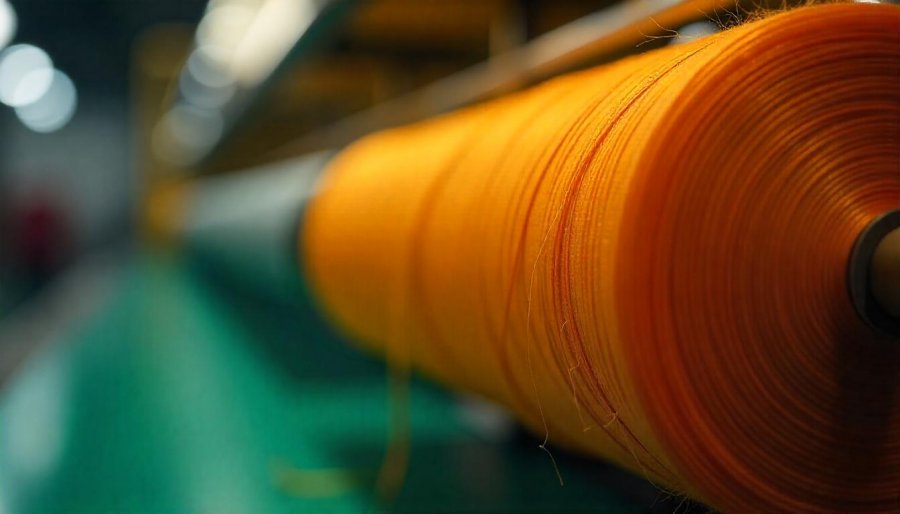
From Fossil Fuels to Fibers: The Petrochemical Journey of Nylon
Nylon’s origins are deeply rooted in the chemistry of fossil fuels. The journey begins with the extraction of crude oil and natural gas from underground reserves—an energy-intensive process with significant environmental costs, including habitat disruption, water contamination, and air pollution. Once retrieved, these raw resources are refined into hydrocarbons such as methane, ethylene, and benzene, which serve as the foundational building blocks for nylon production. This transformation involves a series of complex chemical reactions that demand considerable energy and produce pollutants, linking nylon’s existence directly to the exploitation of finite, non-renewable resources.
The key to making nylon lies in converting these hydrocarbons into specific chemicals called monomers—mainly diamines and dicarboxylic acids. In the case of nylon 6,6, chemicals like hexamethylenediamine and adipic acid are synthesized through processes that require high heat, pressure, and specialized catalysts. These steps are far from simple; they involve carefully controlled reactions that transform basic fossil fuel derivatives into the essential ingredients for synthetic fibers. Each stage not only consumes vast amounts of energy but also generates hazardous byproducts that must be managed to prevent environmental damage.
Creating these monomers is a resource- and energy-demanding endeavor. Hydrocarbons like ethylene and benzene are obtained through cracking, a process that breaks down larger molecules into smaller, more reactive components. Reforming adjusts their molecular structures to meet the specific needs of nylon production, but both steps release greenhouse gases and other pollutants, contributing to climate change and local air quality issues. Hazardous emissions and waste byproducts generated during these reactions add another layer of environmental concern, often requiring careful disposal and treatment.
Once the monomers are synthesized, they undergo polymerization—a chemical process where small molecules join to form long, durable chains. In nylon’s case, this typically involves a condensation reaction where each monomer links together, releasing water molecules as byproducts. This step results in the creation of a strong, elastic fiber renowned for its durability. However, the entire process remains heavily reliant on energy inputs derived from fossil fuels, cementing nylon’s ties to non-renewable resources from start to finish.
The dependence on petrochemicals means that nylon’s environmental footprint is embedded from extraction through manufacturing. The extraction phase causes habitat destruction and water pollution, while refining and chemical synthesis release greenhouse gases and hazardous waste. Despite technological advances, many factories still emit pollutants into the surrounding environment, affecting nearby communities and ecosystems. This reliance on fossil fuels not only contributes to climate change but also makes nylon production vulnerable to resource scarcity and price fluctuations in the fossil fuel market.
This chemical foundation influences nylon’s lifecycle long after it leaves the factory. Its resilience to natural decay means that discarded nylon items—clothing, carpets, packaging—can persist in landfills for decades or even centuries. During this time, nylon gradually fragments into microplastics—tiny fibers that are nearly impossible to recover or clean up. These microplastics leach into waterways, where marine creatures mistake them for food, often resulting in injuries, reproductive issues, or death, with consequences cascading through entire ecosystems.
Understanding nylon’s petrochemical roots underscores the urgent need for alternative materials. Bio-based fibers derived from renewable sources like algae or agricultural waste are gaining attention as potential substitutes that can deliver comparable performance without the heavy environmental toll. Recycling existing nylon offers another avenue, but the process faces scalability challenges and energy demands. As awareness grows, industry and consumers alike are called to support innovations that reduce reliance on fossil fuels and minimize nylon’s ecological impact, paving the way for a more sustainable future.
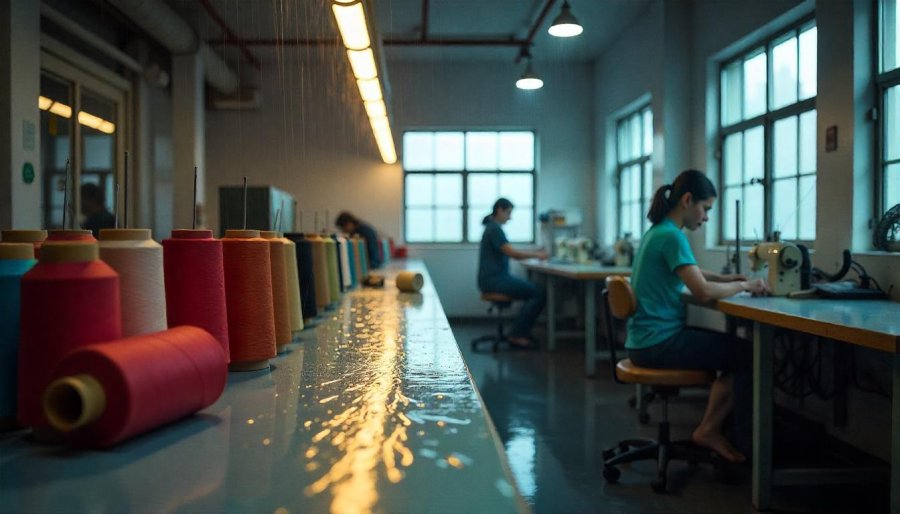
The Lasting Impact: Environmental Toll of Discarded Nylon and Microplastics
When nylon products are discarded or worn out, their environmental impact doesn’t simply fade away. Thanks to its durability and resistance to natural breakdown, nylon can linger in landfills for hundreds of years. This persistence turns every piece of nylon waste—whether a piece of clothing, a carpet, or packaging—into a long-lasting contributor to the global plastic pollution crisis. Its slow decomposition means that these materials remain intact for decades, gradually fragmenting into tiny microplastics that are nearly impossible to recover or manage.
As nylon breaks down very gradually, it releases microfibers—minute fragments that escape into the environment during washing or through natural degradation. These fibers are small enough to pass through wastewater treatment systems, which are often unequipped to filter out such tiny particles. Once in rivers, lakes, and oceans, marine life mistakes these fibers for food, ingesting them and suffering injuries, reproductive issues, or death. The accumulation of microplastics in aquatic ecosystems disrupts food webs and threatens biodiversity, with ripple effects that reach far beyond initial pollution sites.
The problem extends beyond the water. Microplastics shed from nylon textiles during laundry are carried into wastewater, eventually reaching the seas. Marine animals consume these tiny fibers, which can carry harmful chemicals absorbed from their surrounding environment. When humans eat seafood contaminated with microplastics, they potentially ingest these toxins too. While research is ongoing, the health implications of microplastic ingestion remain a significant concern, adding urgency to efforts aimed at reducing nylon waste.
Disposing of nylon items is equally problematic. Because nylon is so resistant to natural decay, discarded garments, carpets, and packaging can stay intact in landfills for centuries. Over time, these items break into smaller fragments, contributing to a mounting mountain of plastic waste that pollutes soils and waterways. This relentless accumulation exacerbates existing waste management challenges, especially since recycling nylon isn’t always feasible or cost-effective on a large scale.
Chemical pollution from nylon waste poses another serious threat. Manufacturing nylon involves processes that release hazardous byproducts into the environment, and these contaminants don’t disappear once the product is discarded. As nylon degrades, or even as it remains intact in landfills, toxic substances can leach into soil and water, contaminating ecosystems and posing health risks to nearby communities. This ongoing chemical contamination underscores how the environmental footprint of nylon extends well beyond its initial use.
Efforts to recycle nylon offer some relief, but they are limited by scalability and energy demands. Recycling processes can reclaim nylon into new fibers, reducing the need for virgin materials, yet they are often costly and not universally accessible. Meanwhile, many nylon items still end up in landfills or are incinerated—methods that release greenhouse gases, microplastics, and toxic fumes into the environment. These practices only deepen the cycle of pollution, highlighting the need for more sustainable waste management and innovative alternatives.
Addressing nylon’s environmental consequences requires a comprehensive approach that considers its entire lifecycle. Reducing reliance on virgin nylon, promoting the development and use of biodegradable or bio-based fibers, and improving waste management infrastructure are critical steps. Consumers can contribute by choosing recycled or natural materials and avoiding fast fashion that encourages disposability. Only through coordinated efforts can we lessen nylon’s long-lasting impact on ecosystems, wildlife, and human health, steering us toward a more sustainable and responsible future.