In a rapidly evolving digital landscape, customized telephony solutions are transforming business communication into a strategic advantage. Leveraging platforms like Grandstream, organizations can deploy scalable, cloud-managed devices that streamline workflows, enhance responsiveness, and support growth without disruption. But are you truly harnessing the full potential of these advanced systems? The future promises AI-driven analytics, 5G connectivity, and integrated unified communications that will revolutionize interaction—yet, many still rely on outdated, generic setups. The key lies in proactive investment, flexible infrastructure, and embracing innovations now to stay ahead. This dynamic shift challenges businesses to rethink their communication strategies—can your current system adapt to tomorrow’s demands? Embracing these technologies today not only elevates operational efficiency but also secures a competitive edge in a fast-changing world. Are you ready to unlock the power of tailored telephony and future-proof your organization?
Enhance Your Business Communication with FiberConX’s Advanced VoIP Solutions
Discover how FiberConX Communications, based in Canada, delivers top-tier VoIP business and residential phone services tailored to meet your needs. Our solutions include features like voicemail, IVR, Ring Groups, and voicemail-to-mail, ensuring seamless communication for your team. For reliable hardware options, explore our Grandstream IP Phones, known for their quality and compatibility. Whether you’re upgrading your office phone system or enhancing your home connectivity, FiberConX provides comprehensive support and exceptional service. Contact us today at [email protected] or call 1.800.961.6856 to learn more about our customized VoIP solutions designed for Canadian businesses and residents.
Transform Your Business Communications with Customized Telephony Solutions
In today’s fast-moving business world, clear and efficient communication is more than just a nice-to-have—it’s essential for staying competitive. Off-the-shelf phone systems may cover basic needs, but they often lack the flexibility to support unique workflows and future growth. Customized telephony solutions step in to fill that gap, tailoring features like call routing, auto-attendants, and integrations specifically to your organization’s requirements. These systems are designed not just to meet today’s needs but to evolve alongside your business.
Unlike generic setups, personalized telephony systems are built around your company’s operations. They can incorporate scalable architectures that expand easily as you grow and integrate seamlessly with your existing tools such as CRM platforms and helpdesk software. This integration streamlines communication, reduces administrative overhead, and helps your team work more smoothly. The result is a natural flow of information—whether managing customer inquiries or coordinating internal departments—making your processes more responsive and efficient.
One key benefit of investing in tailored telephony is improved responsiveness. Features like quick call routing, automated responses, and centralized management enable your team to handle inquiries faster and more accurately. This not only enhances customer satisfaction but also frees up internal resources, allowing employees to focus on high-value tasks. Plus, flexible systems make adding new users or features straightforward, supporting your organization’s ongoing growth without disruptions or costly upgrades.
Choosing the right telephony solution involves prioritizing core features that support scalability and ease of use. Systems should support cloud management, enabling remote configuration, monitoring, and troubleshooting. This centralized control simplifies deployment across multiple locations and ensures consistent performance. As your organization expands, these tailored solutions provide the flexibility to adapt quickly, keeping your communication channels reliable and efficient.
Overall, customized telephony is more than just advanced technology—it’s a strategic asset that transforms how your business communicates. By focusing on flexibility, integration, and responsiveness, these solutions help you operate more efficiently, respond faster to customer needs, and position your organization for continued success. Embracing tailored communication infrastructure turns a simple phone system into a powerful tool that supports growth, enhances user experience, and keeps you ahead in today’s digital-first landscape.
Discover the Power and Flexibility of Grandstream Devices and Solutions
Grandstream has quickly established itself as a leading name in the telephony industry by combining innovation with reliability. Their commitment to delivering affordable, scalable communication solutions makes them a popular choice across various sectors—from small offices to large enterprises. Their product lineup is diverse, including high-quality IP phones, video conferencing equipment, and networking devices, all designed to integrate seamlessly into existing infrastructure and support future growth.
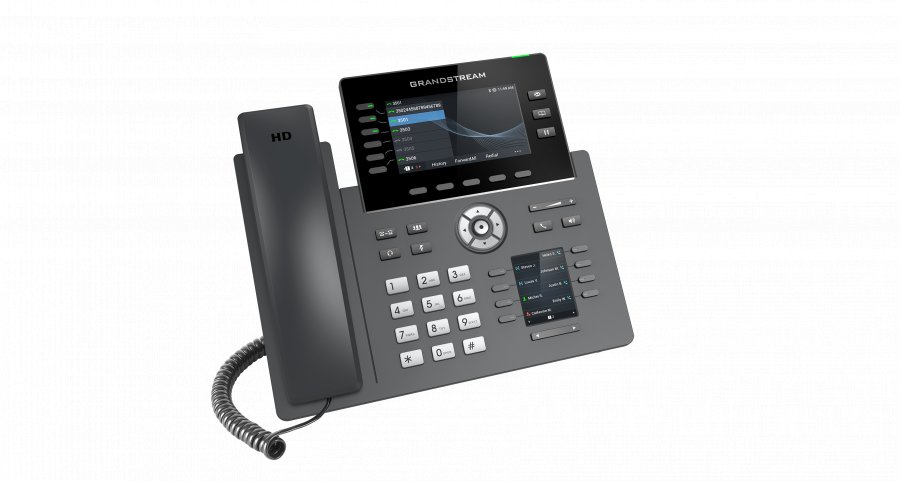
A key highlight of Grandstream’s offerings is the GRP series of IP phones. Built for large-scale deployment, these phones deliver excellent audio quality and durable construction suitable for busy environments. Features like programmable keys and customizable screens allow organizations to tailor each device to their specific workflows, enhancing productivity and user experience. Support for cloud provisioning and centralized management streamlines deployment and ongoing maintenance, especially across multiple locations.
Central to Grandstream’s ecosystem is their Device Management System (GDMS), a cloud-based platform that simplifies the configuration, monitoring, and troubleshooting of devices remotely. With GDMS, administrators can push firmware updates, adjust settings, and perform diagnostics without visiting each device physically. This centralized approach reduces deployment time, minimizes errors, and boosts security by enabling real-time oversight and policy enforcement across all devices.
Beyond IP phones, Grandstream offers an array of complementary solutions, including video conferencing cameras, Wi-Fi access points, and cybersecurity devices. These products are designed to work together within a unified platform, providing organizations with the flexibility to build comprehensive communication networks tailored to their needs. This integrated approach minimizes vendor complexity while ensuring consistent performance as organizations expand.
Ease of management and scalability are core strengths of Grandstream devices. Their products support auto-provisioning and remote configuration, significantly reducing deployment time and operational costs. For multi-site setups or rapidly growing businesses, these features create a dependable backbone that supports expansion without sacrificing performance or reliability.
Network optimization is also a priority. Proper configuration of Quality of Service (QoS) protocols ensures voice traffic is prioritized, maintaining high call quality even during peak times. Regular firmware updates and vigilant network management keep systems secure and reliable, which is vital for organizations that depend heavily on voice communications.
Ultimately, Grandstream’s solutions are built with flexibility, affordability, and efficiency in mind. Their devices and cloud management tools empower organizations to deploy, scale, and maintain their telephony systems confidently. Leveraging these offerings enhances communication infrastructure, improves responsiveness, and helps organizations stay competitive in today’s fast-evolving digital landscape.

Stay Ahead with Modern Trends and Best Practices in Telephony Technology
Modern approaches to implementing customized telephony solutions are increasingly driven by cloud technology, automation, and seamless integration. Cloud-managed platforms like GDMS have become the norm, simplifying deployment and ongoing maintenance by allowing remote configuration, monitoring, and troubleshooting. This shift reduces the need for on-site visits, accelerates setup times, and provides organizations with the agility to adapt their communication systems as needs evolve.
Interoperability, security, and scalability now set the standard for effective telephony solutions. Protocols such as SIP ensure diverse devices and platforms work together smoothly, while advanced security measures like end-to-end encryption and regular firmware updates protect sensitive data. These practices build trust and resilience, especially as cyber threats become more sophisticated, making security a top priority in modern systems.
The move toward unified communications has transformed how teams collaborate. Combining voice, video, and messaging into a single platform creates a more fluid workflow, enabling users to switch channels effortlessly. Innovations like AI-driven call analytics and predictive maintenance are gaining traction, helping organizations optimize performance and proactively identify potential issues before they impact operations.
Network optimization remains critical for high-quality communication. Prioritizing voice traffic through Quality of Service (QoS) settings ensures clear calls during peak usage, even across multiple locations. Upgrading bandwidth and using managed switches reduce congestion, leading to more reliable and stable connections. These practices are essential for maintaining the professionalism and efficiency expected in today’s fast-paced business landscape.
Automation tools embedded in cloud platforms make management simpler and more efficient. Automated provisioning, remote troubleshooting, and centralized monitoring lessen the burden on IT teams and minimize downtime. This ease of oversight allows organizations to focus more on strategic growth rather than technical hiccups, making their telephony infrastructure more adaptable and future-proof.
Continuous testing and regular updates are vital to keeping systems secure and reliable. Regular network assessments help identify bottlenecks or vulnerabilities early, while firmware updates ensure devices benefit from the latest features and security patches. This proactive approach keeps communication channels resilient and ready for future innovations, ensuring businesses stay ahead of evolving industry standards.
Real-World Applications: How Customized Telephony Reshapes Industries
Customized telephony solutions are transforming everyday business operations across a variety of industries. In retail, for example, chains deploy Grandstream IP phones at multiple locations, ensuring consistent communication and streamlined management through cloud platforms like GDMS. This setup allows for quick remote troubleshooting, centralized updates, and a unified customer experience that reinforces brand professionalism and builds trust.
Customer support centers rely heavily on tailored auto-attendant systems integrated with CRM software. These systems efficiently route calls to the right departments, reducing wait times and boosting customer satisfaction. Agents benefit from immediate access to relevant data, enabling more personalized interactions. As businesses grow, these flexible setups can easily adapt by adding new channels or options without disrupting existing workflows.
Small businesses leverage cloud-managed telephony to stay agile. With remote configuration and real-time monitoring, owners can oversee their phone systems from anywhere, making scaling smooth and hassle-free. This flexibility ensures communication lines remain open and responsive, even as teams become more distributed or hybrid work models take hold.
In the hospitality industry, customized telephony enhances guest experiences through features like automated check-in/out and voice-controlled room services. Integration with property management systems simplifies operations and allows staff to focus on delivering personalized service, all while maintaining seamless communication with guests.
Educational institutions utilize centralized campus-wide phone systems for internal coordination and emergency alerts. The scalability of Grandstream’s devices makes expansion straightforward, ensuring reliable communication across campuses and during critical incidents. This setup supports both day-to-day operations and safety protocols effectively.
Healthcare providers depend on tailored telephony to streamline appointment scheduling, patient inquiries, and internal coordination. Integration with electronic health records improves efficiency and accuracy. As telehealth expands, these systems facilitate remote consultations and secure messaging, enhancing both operational workflows and patient care.
These real-world examples reveal how personalized telephony systems, especially those built around reliable Grandstream devices, significantly boost operational efficiency. They enable faster, more responsive communication that adapts effortlessly to evolving organizational demands. This agility not only improves internal workflows but also elevates customer and client interactions, proving that customized solutions are essential for modern business success.

Looking Forward: Innovations and Future Trends in Telephony Systems
The future of customized telephony solutions is set to be shaped by rapid advancements in artificial intelligence, 5G connectivity, and unified communication platforms. AI is beginning to transform how businesses approach communication, with features like real-time call analytics, voice recognition, and predictive routing becoming more sophisticated. These tools enable companies to personalize interactions, anticipate customer needs, and streamline workflows, making every call more efficient and meaningful. Simultaneously, 5G promises faster, more reliable connections, even in remote or mobile environments, reducing latency and elevating overall call quality across diverse locations. The convergence of AI and 5G will create seamless, high-quality communication channels that adapt dynamically to changing business demands.
Preparing for these emerging trends requires proactive investment in flexible, scalable infrastructure today. Upgrading network bandwidth and implementing advanced Quality of Service (QoS) protocols will be essential to support increased data flow and ensure consistent voice clarity. Equally important is maintaining rigorous security standards, as these evolving systems will handle sensitive information and face sophisticated cyber threats. Regular firmware updates, robust encryption, and continuous network monitoring will be vital to safeguarding communications and ensuring compliance with privacy regulations. Building a resilient foundation now allows organizations to adopt new features smoothly and avoid costly disruptions as technology advances.
Looking further ahead, innovations like AI-powered chatbots, voice assistants, and integrated digital workflows are poised to embed telephony more deeply into broader business ecosystems. These technologies will facilitate more natural, conversational interfaces, unifying voice, video, and messaging into cohesive platforms that enhance operational efficiency and customer engagement. AI can automatically manage call routing based on sentiment analysis or predict system maintenance needs, reducing downtime and optimizing performance proactively. As these systems grow more intelligent and interconnected, they will become strategic assets rather than simple communication channels, helping organizations stay competitive in a digital-first world.
Industry experts forecast that telephony ecosystems will evolve into smarter, more adaptable environments. Cloud management will shift from reactive to proactive, offering insights and automation that continuously optimize system performance. Enhanced encryption and authentication protocols will address ongoing privacy concerns, ensuring secure communication even as cyber threats evolve. Integrations with customer relationship management systems, collaboration tools, and Internet of Things devices will create seamless, data-driven workflows that break down silos and foster innovation. Embracing these developments early will give organizations a significant edge, enabling them to respond swiftly to market changes and technological shifts.
To stay ahead, organizations should prioritize building scalable, flexible infrastructure capable of supporting future innovations. Establishing strong vendor relationships and staying informed about evolving standards will facilitate early adoption of new features and ensure smooth transitions. Equipping staff with ongoing training on emerging tools and practices maximizes return on investment and keeps teams prepared for continuous change. Viewing technology as a strategic enabler rather than a static asset encourages experimentation and continuous improvement, turning innovations into new opportunities for growth.
As the landscape of business communication continues to evolve, telephony systems are increasingly integral to digital transformation efforts. Those who embrace innovation today will position themselves for sustained success, leveraging smarter, more connected solutions to enhance operational agility, improve customer experiences, and foster long-term competitiveness. Future-proofing your communication infrastructure means not just adopting new tools but also cultivating a mindset of adaptability and proactive evolution—ensuring your organization remains resilient and ready for whatever comes next.