Learning to ride a bike symbolizes more than just a physical skill; it embodies courage, resilience, and the deep bonds of family. This milestone often begins with hesitant wobbling and falls, yet each attempt builds confidence and independence—fueling a child’s sense of achievement and trust. But does the fear of falling overshadow the thrill of freedom and mastery? As families gather in safe, supportive environments, they teach invaluable lessons about perseverance and patience. Advances in gear, design, and educational tools are making this journey safer and more engaging, turning initial wobbling into confident rides with lasting impact. These stories of growth and support reveal that the true essence of learning to ride lies in overcoming fears, celebrating small victories, and fostering resilience. Can the challenge of falling be transformed into the greatest lesson of perseverance and joy, shaping confident riders for life?
Embrace Growth and Independence: The Joy of Learning to Ride a Bike
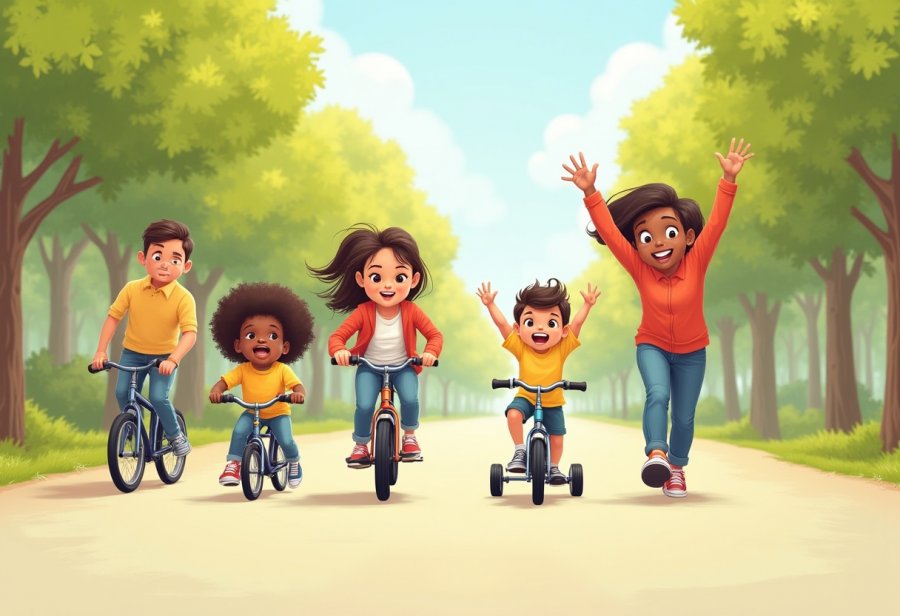
Learning to ride a bike is more than just mastering a new skill; it’s a milestone that signifies growth, independence, and the bonds we share with family. For children, this moment often feels like stepping into a wider world—one filled with adventure, freedom, and new possibilities. It’s a blend of nervous anticipation, wobbling starts, and triumphant glides that leave a lasting impression on both kids and parents alike.
This process isn’t just about physical coordination—it’s about building confidence and resilience. As children wobble and fall, they learn that setbacks are part of progress, and persistence pays off. Each small victory, whether it’s balancing a few seconds longer or managing a short ride, reinforces their belief in their ability to overcome challenges. These moments of achievement become symbols of courage and determination, shaping their approach to future obstacles.
Family support plays a crucial role in transforming this learning experience into a meaningful bonding moment. Watching a child wobble on two wheels, with a parent jogging beside or steadying the seat, creates shared memories rooted in patience and encouragement. Celebrating even the tiniest successes, like a first unassisted pedal or a smooth glide down the driveway, fosters a sense of accomplishment and togetherness. These are the milestones that turn learning into a joyful adventure.
Safety and comfort are key in making this journey enjoyable rather than stressful. Starting on flat, open spaces helps children feel secure, while tools like balance bikes or removing pedals focus their attention on staying upright. Supportive guidance—holding the seat or gently guiding from behind—gives children the confidence to try, fall, and get back up again. It’s about creating an environment where they feel safe to experiment and learn at their own pace.
Every fall, wobble, and small success teaches children resilience and patience. Short, frequent practice sessions keep their interest high and prevent frustration. As their skills improve, introducing gentle slopes or turns deepens their confidence and sense of mastery. Ultimately, learning to ride a bike becomes a powerful symbol of trust—trust in family, in oneself, and in the journey of growth that continues well beyond those first pedals.
Building Blocks of Confidence: The Principles of Teaching Kids to Ride
Teaching a child to ride a bike involves understanding a few key principles and following a clear, step-by-step process. The journey begins with selecting the right equipment. A bike that fits comfortably helps children learn to balance and pedal with ease, while safety gear like helmets, knee pads, and elbow pads provide reassurance and protection. Starting with balance-focused tools, such as a balance bike or removing pedals from their regular bike, allows children to concentrate solely on staying upright. This focus on balance creates a solid foundation before progressing to pedaling and steering.
Once children feel confident with balancing, the next phase involves practicing pedaling and steering. Support from parents—whether holding the seat or guiding from behind—boosts their confidence and gives them a sense of control. Celebrating small victories, like balancing for a few seconds or riding a short distance, encourages them to keep trying. Patience and repetition are vital, as each child learns at their own pace, and rushing can lead to frustration.
Addressing fears of falling is crucial during this process. Many kids worry about slipping or tumbling, but gentle reassurance helps normalize these fears. Practicing on soft surfaces like grass or flat driveways creates a safer space for trying new skills. When falls happen, emphasizing safety gear and reminding children that falls are part of learning help them see setbacks as natural steps forward. Encouragement to get back on the bike reinforces resilience and persistence.
Short, frequent practice sessions tend to produce better results than long, exhausting rides. Keeping activities fun and manageable prevents burnout and keeps motivation high. As confidence grows, gradually introducing more complex skills like turns or gentle slopes helps deepen their mastery. Throughout, maintaining a positive attitude and celebrating every small success makes the learning experience enjoyable and builds a resilient, independent rider.
Supporting a child’s journey to ride a bike is about creating a safe, encouraging environment. By choosing appropriate equipment, providing gentle guidance, and celebrating progress, parents foster trust and independence. Recognizing that each child learns at their own pace allows for tailored support, helping turn initial wobbling into smooth, confident rides. With patience and supportive guidance, children develop resilience and a love for cycling that can last a lifetime.
Guiding Small Steps: Strategies for Supporting Young Cyclists
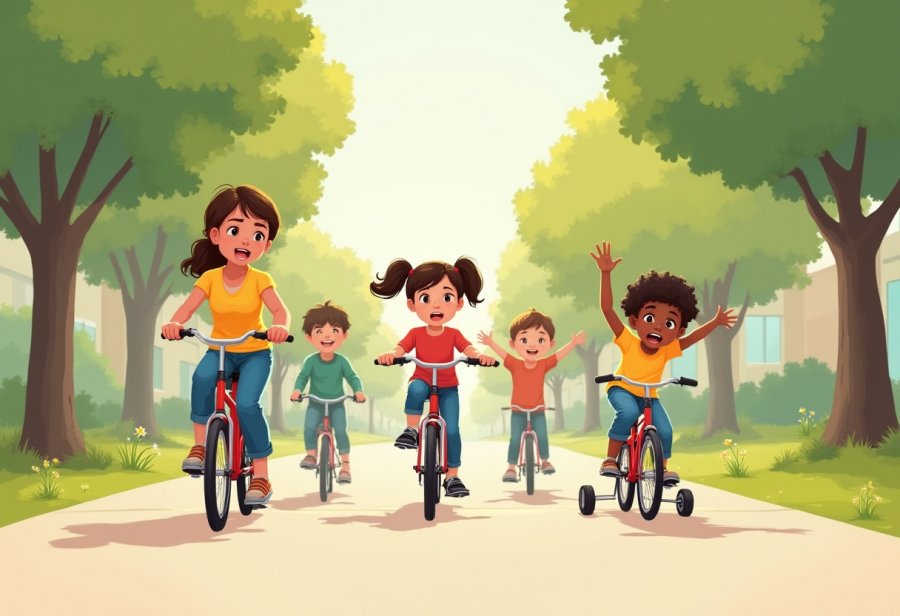
Supporting a child’s first biking experiences involves a delicate balance of encouragement, safety, and patience. Choosing a quiet park or a smooth driveway creates a secure environment where children can focus on learning without feeling overwhelmed. Using tools like balance bikes or removing pedals from their bike helps them concentrate solely on staying upright, building confidence before tackling pedaling and steering. Gentle guidance—holding the seat or guiding from behind—provides reassurance during those initial shaky rides, making each attempt feel safer and more manageable.
Celebrating small milestones, such as balancing for a few seconds or pedaling a short distance, reinforces their progress and motivates continued effort. It’s crucial to remind kids that falls and wobbles are normal parts of learning, not failures. When they stumble, reassure them that everyone falls when learning something new and emphasize safety gear to foster a sense of security. This normalizes setbacks and helps children understand that persistence is key.
Creating a positive atmosphere encourages kids to stay eager and interested. Short, frequent practice sessions are more effective than long, tiring rides, preventing frustration and burnout. Keeping activities fun and manageable ensures riding remains an enjoyable adventure, not a stressful challenge. As their confidence grows, gradually introducing more challenging skills like gentle turns or slight inclines helps deepen their mastery without overwhelming them.
Supporting their efforts also means respecting individual paces. Some children pick up balancing quickly, while others need more time to feel comfortable pedaling or steering. Recognizing these differences and providing consistent encouragement helps maintain motivation. When they achieve even small successes, like riding a few meters without wobbling, celebrating loudly boosts their confidence and sense of accomplishment, turning every attempt into a step forward.
Finally, addressing fears with gentle reassurance makes a big difference. Reminding children that everyone falls when learning helps normalize the experience and reduces anxiety. Practicing on soft surfaces like grass or flat pavement minimizes injury risks and makes falls less intimidating. By fostering patience, safety, and support, parents turn initial wobbling into confident, joyful riding, laying the foundation for resilience and a lifelong love of cycling.
Practical Tips for Success: Ensuring Safety and Fun in Bike Learning
Supporting a child’s first bike rides requires practical steps combined with patience and encouragement. Starting in a quiet driveway or park creates a safe environment where kids can focus on learning without feeling overwhelmed. Flat, smooth surfaces help build confidence step by step, making each small success more achievable. Equipping children with safety gear like helmets, knee pads, and elbow pads not only protects them but also reassures them that they are safe as they try new skills.
Using tools such as balance bikes or removing pedals from their bikes allows children to focus solely on staying upright. This approach helps them develop a strong sense of balance before moving on to pedaling and steering. Gentle guidance from parents—holding the seat or guiding from behind—gives kids the reassurance they need during those shaky early attempts. Celebrating even minor milestones, like balancing for a few seconds or riding a few meters, keeps motivation high and reinforces their progress.
Creating a positive riding environment is key to keeping children eager to learn. Keep sessions short, fun, and free of pressure, so riding remains an enjoyable activity rather than a stressful challenge. When falls happen, remind kids that slipping or tumbling is a normal part of learning, not a failure. Emphasizing safety gear and encouraging regular breaks prevent exhaustion and frustration, making each ride a positive experience. This approach helps children develop resilience and view setbacks as natural steps in their progress.
Every child progresses at their own pace, and recognizing individual differences is crucial. Some kids pick up balancing quickly, while others need more time to feel comfortable pedaling or steering. Celebrate every small victory loudly—whether it’s riding a few meters without wobbling or maintaining balance longer. These moments boost confidence and make learning feel rewarding rather than discouraging. Patience and consistent support ensure that each child builds a solid foundation of trust and independence.
Addressing fears with gentle reassurance is vital. Reminding children that everyone falls when learning helps normalize the experience and reduces anxiety. Practicing on soft surfaces like grass or flat pavement minimizes injury risks and makes falls less intimidating. Reinforcing that setbacks are part of growth encourages resilience and persistence. By fostering patience, emphasizing safety, and maintaining a supportive attitude, parents turn initial wobbling into confident, joyful riding.
Finally, keep practice sessions manageable and frequent. Short, engaging rides prevent burnout and keep children interested. As confidence grows, gradually introduce more challenging skills—like turns or gentle slopes—in a supportive way. This steady progression builds their mastery and love for cycling. With patience, encouragement, and a safe environment, children will not only learn to ride but also develop resilience and a lifelong passion for outdoor activity.
Looking Ahead: Innovations and Inclusivity in Children’s Cycling Education
Learning to ride a bike is a milestone that goes beyond simply mastering a skill; it embodies courage, trust, and the strengthening of family bonds. As children take their first pedals, they step into a world of independence and adventure, supported by loved ones who cheer them on. This journey is filled with wobbling starts and triumphant glides, each moment reinforcing resilience and confidence. These experiences teach kids that setbacks are natural, and persistence is the key to growth, shaping their approach to future challenges.
Advancements in cycling gear and education methods are making this rite of passage safer and more engaging. Lightweight helmets, impact-resistant safety gear, and adjustable bikes help children ride with greater confidence, reducing fears of injury. Digital tools like interactive apps and virtual coaching are adding a new dimension to learning, offering personalized guidance that keeps kids motivated and eager to improve. These innovations make the process less intimidating and more accessible, encouraging a lifelong love of cycling.
Design improvements also play a role in fostering confidence. Bikes that grow with children, featuring lightweight frames and easy-to-handle components, help young riders develop skills more comfortably. Such features minimize frustration and support longer, more enjoyable rides, laying a foundation for sustained outdoor activity and independence. By making the transition from beginner to confident rider smoother, these evolutions in equipment help nurture a sense of mastery and self-reliance.
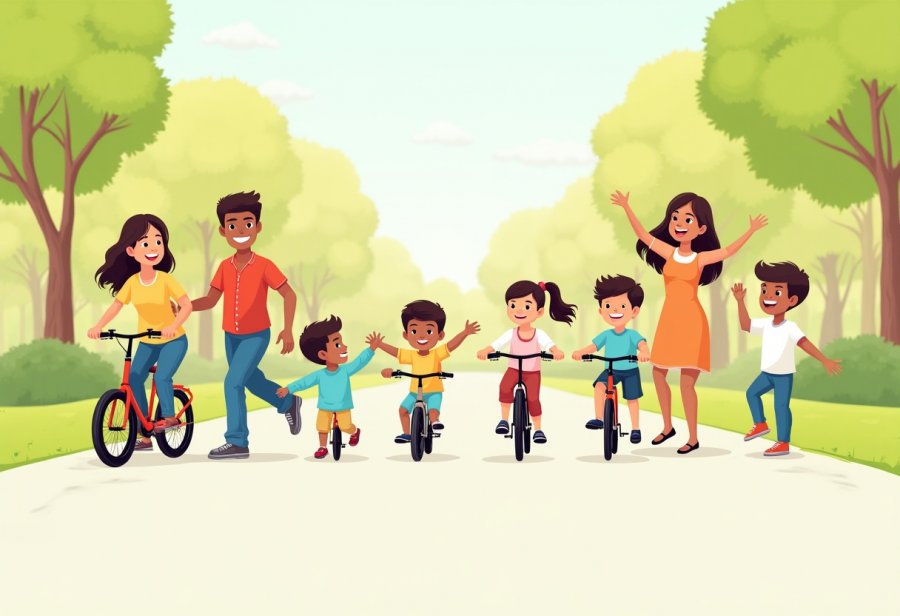
Inclusion and accessibility are gaining momentum in children’s cycling education, ensuring that every kid—regardless of ability—has the opportunity to experience the joy of riding. Programs tailored to diverse needs promote diversity and foster a sense of community, encouraging children to see cycling as a universal activity that builds confidence and social bonds. These efforts reinforce that learning to ride is not just about physical skill but also about empowerment and belonging.
While technology and improved gear enhance safety and engagement, the core principles remain rooted in patience, encouragement, and resilience. The most meaningful progress continues to come from family involvement and community support, which turn initial wobbling into confident riding. Teaching children to overcome fears and celebrate small victories builds a foundation that extends well beyond the bike, nurturing a mindset of persistence and self-trust.
Looking ahead, the future of children’s cycling education is bright. Innovative safety gear, adaptive bike designs, and inclusive programs promise to make riding more accessible and enjoyable for everyone. These trends highlight a shared understanding: that cycling isn’t just a skill but a pathway to confidence, independence, and lifelong outdoor connection. As technology and awareness grow, so too will the opportunities for children to experience the freedom and joy that riding a bike can bring—one pedal stroke at a time.