Cleopatra VII is often remembered for her beauty and romantic alliances, but her true legacy lies in her formidable intelligence, strategic diplomacy, and cultural patronage. As Egypt’s last pharaoh, she masterfully navigated a turbulent political landscape, forging alliances with Julius Caesar and Mark Antony not merely for personal gain but to preserve her kingdom’s independence. Fluent in multiple languages and a scholar in philosophy, mathematics, and rhetoric, Cleopatra prioritized knowledge as a tool of power. Her patronage of the Library of Alexandria and her support for arts and sciences elevated Egypt to a center of learning and innovation. Her resilience amid internal rivalries, external threats, and gender biases exemplifies leadership rooted in wisdom, adaptability, and cultural savvy. Could her enduring influence be less about seduction and more about the brilliance of her mind? This compelling portrait invites readers to reevaluate her true legacy—one built on intellect, resilience, and strategic foresight that continues to inspire.
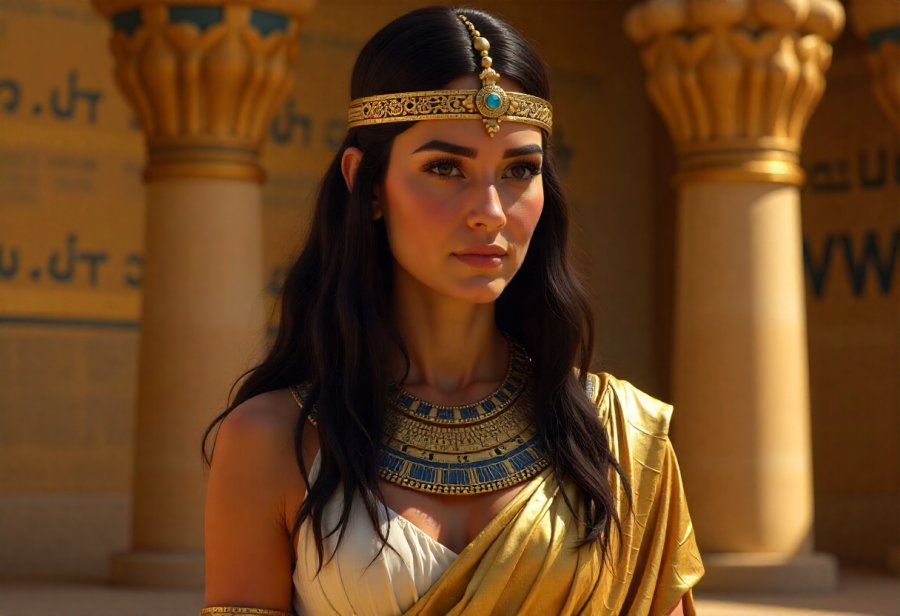
Unveiling Cleopatra: Beyond Beauty to Strategic Brilliance
Cleopatra VII is often remembered for her beauty and dramatic romances, but her true legacy goes far beyond those popular images. She was a highly intelligent and strategic leader who understood that power was built on wit, knowledge, and diplomacy. As Egypt’s last pharaoh, her reign marked the end of an ancient civilization’s long history, yet it also showcased her remarkable ability to adapt and thrive amid chaos and external threats.
Her leadership was rooted in a sharp mind and deep understanding of politics and culture. Cleopatra was a scholar-queen, fluent in multiple languages and well-versed in philosophy, mathematics, and rhetoric. This education gave her an edge in negotiations and diplomacy, allowing her to forge alliances that protected Egypt’s independence. Her relationships with Roman figures like Julius Caesar and Mark Antony weren’t just personal—they were carefully calculated moves to maintain her authority and her kingdom’s sovereignty.
Beyond politics, Cleopatra’s legacy includes her patronage of knowledge and the arts. She supported the Library of Alexandria, one of the ancient world’s greatest centers of scholarship, and was known for her own intellectual pursuits. Her dedication to learning and cultural exchange helped position her as a ruler who valued wisdom as much as power. This scholarly aspect of her reign emphasizes that her leadership was rooted in a belief that education and knowledge were vital tools for strengthening her rule.
Her ability to adapt to shifting political landscapes demonstrates her resilience. Facing internal family rivalries, external threats from Rome, gender biases, and the challenge of maintaining her authority in a male-dominated world, Cleopatra employed diplomacy, language skills, and cultural savvy to outmaneuver her enemies. Her story reveals a leadership style built on intelligence, resilience, and strategic foresight—traits that remain relevant today as essential qualities for effective leadership in any era.
Ancient Roots: The Ptolemaic Dynasty and Egypt’s Complex Tapestry
Cleopatra VII was born into the Ptolemaic dynasty, a Greek ruling family that had governed Egypt for nearly three centuries following Alexander the Great’s conquest. Their lineage traced back to one of Alexander’s generals, blending Hellenistic traditions with Egyptian customs. This unique cultural mix shaped Cleopatra’s worldview, making her a leader who deeply understood both Greek and Egyptian identities.
The political landscape she inherited was complex and often unstable. The Ptolemies maintained their Greek heritage while adopting Egyptian religious symbols and rituals to legitimize their rule in the eyes of their subjects. Power struggles within the royal family were common, with siblings and relatives vying for control, which demanded Cleopatra develop sharp political instincts early on. Her ascent to the throne in 51 BCE followed her father’s death amid these rivalries, requiring a combination of diplomacy and determination to secure her position.
Alexandria, her birthplace and the heart of her kingdom, was a vibrant hub of commerce, learning, and innovation. Founded by Alexander the Great, it housed the legendary Library of Alexandria, a symbol of knowledge and scholarship. Cleopatra’s education reflected this environment—she was fluent in multiple languages, including Greek, Egyptian, and Latin, and studied rhetoric, philosophy, and mathematics. This scholarly foundation gave her a crucial advantage in diplomacy, enabling her to communicate effectively across cultures and forge strategic alliances.
As her reign progressed, external threats grew, most notably from Rome, which was expanding its influence across the Mediterranean. Recognizing Egypt’s vulnerability, Cleopatra employed diplomatic finesse, forming alliances with powerful Roman figures like Julius Caesar and Mark Antony. These relationships weren’t driven solely by personal interest but served strategic purposes, aimed at preserving Egypt’s independence amid Rome’s imperial ambitions. Her ability to navigate this turbulent terrain demonstrated her skill in balancing diplomacy with national interests.
Supporting arts and sciences was another vital aspect of Cleopatra’s leadership. She patronized the Library of Alexandria and encouraged scholars, poets, and scientists from across the Hellenistic world. This fostered an environment of intellectual growth that elevated Egypt’s status as a center of learning and innovation. Cleopatra’s commitment to knowledge was both a personal passion and a strategic move, reinforcing her authority and positioning Egypt as a beacon of cultural and scientific excellence.
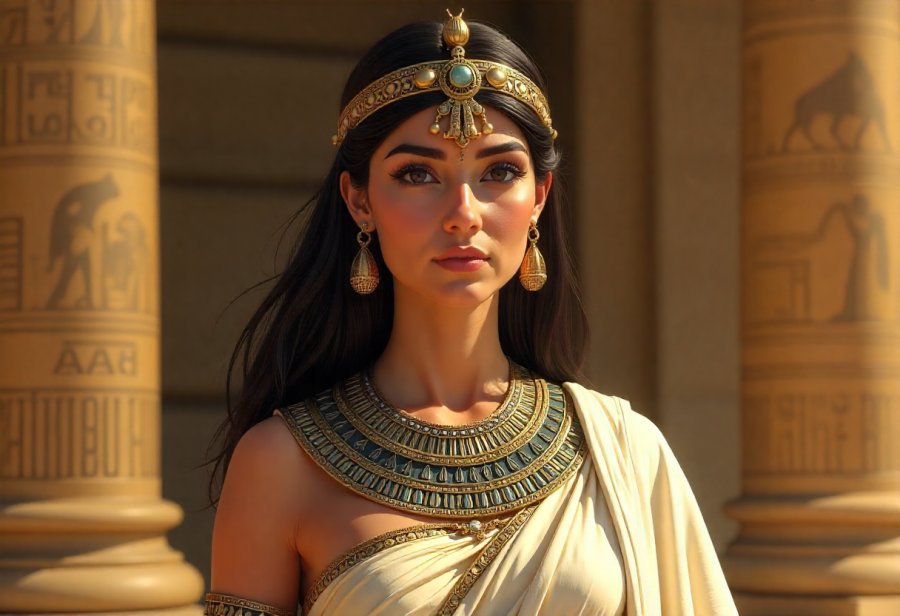
Leadership Amplified: Intelligence, Diplomacy, and Cultural Patronage
Cleopatra’s leadership was fundamentally rooted in her exceptional intelligence, which she wielded with remarkable finesse to navigate the complex politics of her time. She was a master diplomat, skilled at forging alliances, negotiating treaties, and turning relationships into strategic advantages. Her dealings with Julius Caesar and Mark Antony weren’t just personal connections—they were carefully crafted moves designed to bolster Egypt’s position and safeguard its independence. Cleopatra knew how to read her rivals, adapt her approach, and use persuasion and cultural understanding to her advantage.
Her strategic thinking extended far beyond immediate political gains. Cleopatra demonstrated a keen ability to anticipate threats and identify opportunities, often staying a step ahead of her enemies. She understood that true power relied not just on military strength but also on influence and perception. By fostering arts and sciences, especially her patronage of the Library of Alexandria, she believed that knowledge was a vital tool of leadership. Supporting scholars, poets, and scientists created an environment of innovation that reinforced her authority and elevated Egypt’s cultural standing.
Cultural patronage was central to Cleopatra’s leadership style. She saw herself as a protector and promoter of learning, actively encouraging intellectual growth across her realm. Her support created a vibrant hub of scholarship that positioned Egypt as a center of knowledge and scientific progress. This investment wasn’t just about personal interest; it was a strategic move to fortify her rule through the prestige of learning and cultural excellence, making her a ruler who valued wisdom as much as power.
Her mastery of language and education further set her apart. Fluent in Greek, Egyptian, and Latin, Cleopatra could communicate effectively across diverse audiences—from negotiating with Roman leaders to inspiring her Egyptian subjects. Her deep understanding of rhetoric, philosophy, and mathematics gave her a mental edge in diplomacy and governance. This scholarly foundation allowed her to craft nuanced policies and long-term strategies, avoiding rash decisions and focusing instead on stability, resilience, and influence.
All these qualities—diplomacy, strategic foresight, cultural patronage, and multilingualism—collectively made Cleopatra a leader who understood that influence stems from a blend of wisdom and influence. Her ability to navigate relationships, anticipate challenges, and promote knowledge transformed her into more than a political figure—she became a symbol of enlightenment and resilience. Her leadership exemplifies how intelligence, adaptability, and cultural awareness can forge a legacy that endures through the ages.
Modern Lessons from Cleopatra: Strategy, Resilience, and Cultural Diplomacy
Cleopatra’s leadership offers timeless lessons for today’s managers, diplomats, and strategists. Her ability to build alliances through negotiation and cultural understanding highlights the importance of relationship-building in effective leadership. By engaging with diverse perspectives and tailoring her approach accordingly, she fostered trust and influence across different groups. Modern leaders can learn from her skill in cultural intelligence—recognizing the values, motivations, and backgrounds of others—to create collaborations that are sustainable and mutually beneficial.
Her strategic foresight remains remarkably relevant. Cleopatra anticipated threats and opportunities, often staying a step ahead of her rivals. She carefully read her environment, making calculated moves that maximized her advantage while minimizing risks. Today’s organizations thrive on this kind of long-term thinking, where proactive planning and agility are essential. Her example reminds us that resilience isn’t just about recovering from setbacks but also about shaping the future through thoughtful decision-making and flexibility.
Resilience and adaptability defined Cleopatra’s ability to navigate turbulent times. Despite internal family rivalries and external pressures from Rome, she managed to maintain her throne through diplomacy, strategic alliances, and cultural savvy. Her story encourages modern leaders to stay flexible in the face of change, to learn from setbacks, and to adjust strategies accordingly. Flexibility, combined with a clear vision, can turn obstacles into opportunities for growth and innovation.
Cultural diplomacy played a central role in her leadership style. Cleopatra actively supported the arts, sciences, and scholarly exchange, creating an environment where knowledge thrived. This investment not only reinforced her authority but also positioned Egypt as a hub of innovation and learning. Today, fostering a culture of talent development, cross-cultural collaboration, and shared values can similarly elevate an organization’s influence and reputation. Her example shows that leadership rooted in shared goals and mutual respect leads to stronger, more enduring alliances.
Her mastery of language and lifelong pursuit of knowledge were vital tools in her leadership arsenal. Fluent in Greek, Egyptian, and Latin, Cleopatra communicated across cultures with ease, shaping perceptions and forging alliances. Her deep understanding of rhetoric, philosophy, and mathematics gave her a mental edge in diplomacy and governance. Modern leaders who prioritize continuous learning, curiosity, and cross-cultural competence can better navigate complex issues and build trust with diverse audiences.
Ultimately, Cleopatra’s legacy demonstrates that true leadership combines intelligence, cultural awareness, and resilience. Her ability to adapt, foster knowledge, and forge strategic relationships created a lasting influence that transcends her time. Her story encourages today’s leaders to value education and flexibility, emphasizing that influence is rooted in wisdom, shared understanding, and the capacity to evolve. By embracing these qualities, anyone can lead with purpose and build a legacy that endures.
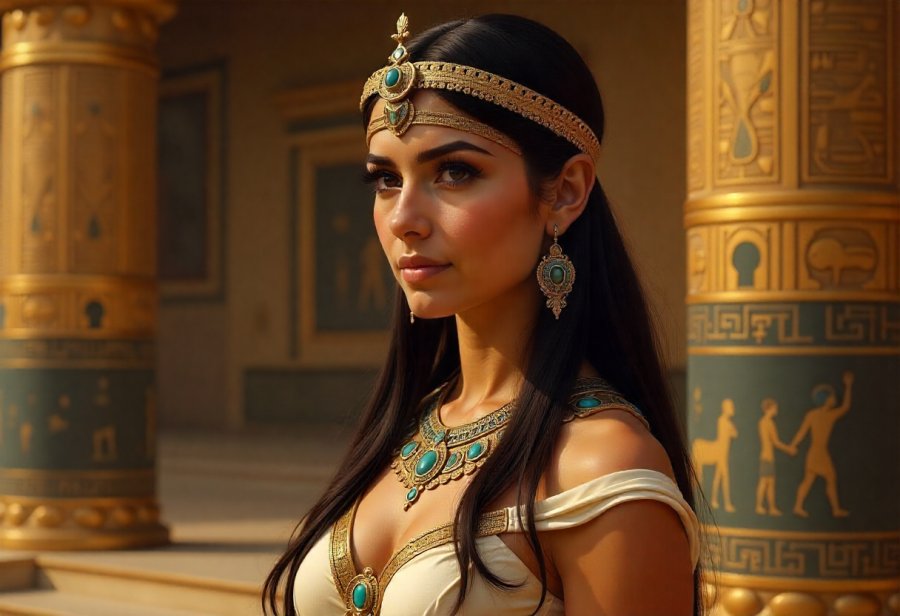
Legacy of a Scholar-Queen: Wisdom, Knowledge, and Enduring Influence
Cleopatra’s legacy as a scholar-queen extends far beyond her political achievements; it is rooted in her ability to blend intelligence, cultural insight, and strategic thinking into a leadership style that still resonates today. She understood that true power isn’t solely about military strength or authority, but about the influence wielded through knowledge and wisdom. Her patronage of the arts and sciences, mastery of multiple languages, and diplomatic finesse all highlight a ruler who prioritized education as a vital tool for resilience and influence.
Throughout her reign, Cleopatra demonstrated that leadership built on intellectual strength can withstand the upheavals of political turbulence. She navigated family rivalries, external threats, and gender biases with a combination of diplomacy, cultural savvy, and relentless adaptability. Her capacity to remain resilient amid chaos underscores the importance of continuous learning and flexibility—traits that remain vital for leaders facing today’s complex challenges. Her story reminds us that influence rooted in knowledge and agility can forge a legacy that endures beyond the ages.
Her support for the Library of Alexandria and her encouragement of scholars and scientists helped position Egypt as a center of learning and innovation. This investment in intellectual growth not only reinforced her authority but also shaped her reputation as a ruler who valued wisdom as much as power. By fostering an environment of curiosity and shared knowledge, she created a cultural ecosystem that elevated Egypt’s status and inspired future generations. Her leadership shows that nurturing talent and promoting shared values can produce a lasting impact.
Cleopatra’s mastery of languages and her lifelong pursuit of knowledge kept her connected to her diverse subjects and allies. Fluent in Greek, Egyptian, and Latin, she communicated effectively across cultures, shaping perceptions and building alliances through rhetoric, philosophy, and diplomacy. Her example encourages modern leaders to prioritize curiosity, continuous development, and cross-cultural understanding. These qualities enable effective navigation of today’s globalized landscape, turning influence into lasting legacy.
Her story offers a powerful lesson: influence is rooted in intelligence, adaptability, and a genuine commitment to learning. Cleopatra’s ability to combine scholarly pursuits with strategic vision transformed her into more than a political figure—she became a symbol of enlightenment and resilience. Her life demonstrates that leadership grounded in wisdom and cultural awareness can leave an enduring mark, inspiring leaders across time to lead with purpose, flexibility, and a deep respect for knowledge.
