In a world where seamless communication is no longer a luxury but a necessity, can your organization keep pace with the evolving demands of remote work and distributed teams? Grandstream’s innovative telephony solutions promise to transform your network—combining high-quality, scalable devices with intelligent management tools. Their range of IP phones supports crystal-clear voice, video conferencing, and effortless deployment through centralized platforms like GDMS. These systems are designed not just for today’s needs but to future-proof your operations, offering robust security, network optimization, and easy scalability. But as technology advances, the question remains: will your business adapt quickly enough to harness the full potential of customizable telephony and stay ahead in a competitive landscape? Grandstream’s solutions empower organizations to turn communication from a routine task into a strategic advantage—delivering reliability, flexibility, and growth in a fast-changing world.
Boost Your Business Communications with FiberConX’s Advanced VoIP Solutions in Canada
Discover how FiberConX Communications can elevate your business communication system in Canada with our comprehensive VoIP & IP Business phone services. Our solutions include advanced features like voicemail, IVR, Ring Groups, and voicemail-to-mail, ensuring seamless connectivity and professional customer interactions. Whether you need customizable call routing or reliable voicemail management, FiberConX has you covered. To learn more about our offerings, visit GRP2614. For inquiries, contact us at [email protected] or call 1.800.961.6856 today!
Revolutionize Your Business Communication with Customizable Telephony Solutions
In today’s fast-paced business environment, clear and reliable communication is more than just a convenience—it’s a necessity. Companies need systems that not only keep everyone connected but also adapt to their evolving needs. This is where customizable telephony solutions come into play. Unlike traditional phone setups, these flexible systems allow organizations to tailor their communication infrastructure, making daily operations smoother and more responsive.
As businesses grow and change, so do their communication demands. Standard phone lines and off-the-shelf systems often fall short, leading to missed calls, frustration, and lost productivity. Customizable telephony systems address these challenges by offering scalable, adaptable tools that can evolve alongside your organization. You can prioritize features like call routing, video conferencing, and integrations with other digital platforms—helping your team stay connected and efficient.
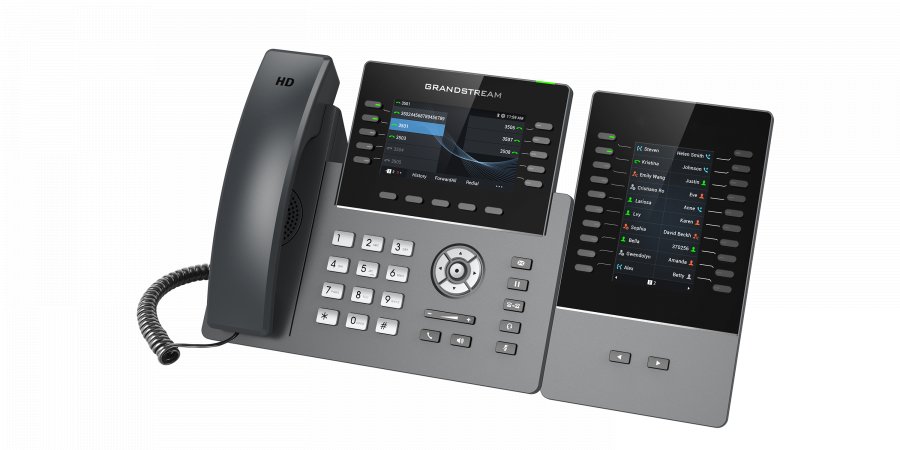
The rise of advanced devices like Grandstream’s IP phones has transformed the way organizations communicate. These phones support high-definition voice, video calls, and seamless integration with cloud management tools. They’re designed to be straightforward to set up and manage, reducing technical headaches and downtime. This ease of deployment means your team can focus on what matters most—serving customers, collaborating, and growing your business.
Beyond hardware, the management of these systems is equally important. Cloud-based platforms like Grandstream’s Device Management System (GDMS) enable centralized control over hundreds or thousands of devices. This means configuration, monitoring, and updates can be handled remotely, saving time and reducing errors. The ability to manage everything from a single interface makes scaling your communication network more efficient and less resource-intensive.
Investing in customizable telephony isn’t just about keeping up with technology; it’s a strategic move. These solutions empower organizations to create workflows tailored to their unique needs—whether that’s routing calls to the right department, supporting remote workers, or integrating with customer management tools. In a competitive market, such flexibility can improve customer satisfaction, speed decision-making, and boost overall responsiveness.
As technology continues to advance, the importance of adaptable, scalable, and integrated communication systems becomes clear. Customizable telephony solutions, like those offered by Grandstream, help businesses build resilient networks that support growth and innovation. They turn communication from a routine task into a strategic advantage, ensuring your organization remains agile, connected, and prepared for whatever comes next.

Tracing the Evolution of Telephony: From Landlines to Cloud-based Systems
Telephony systems have evolved dramatically since their inception, reflecting the rapid pace of technological change and the shifting needs of modern businesses. Early communication relied on analog landlines—simple, dedicated circuits that connected phones within fixed locations like offices and homes. While reliable, these systems offered little flexibility or scalability, making them less suitable for growing organizations that required more dynamic solutions.
The transition to digital telephony marked a significant step forward. Digital systems provided clearer call quality and introduced features such as call routing, voicemail, and conference calling, which helped streamline communication. However, the real revolution came with the advent of Internet Protocol (IP) telephony, or VoIP. By transmitting voice as data packets over the internet, VoIP eliminated the need for dedicated lines and opened up new possibilities for remote work and cost savings. Businesses could now make calls from anywhere with an internet connection, making their communication infrastructure more flexible and scalable.
This shift to IP-based systems has been pivotal. Cloud-managed telephony solutions further enhanced flexibility by allowing centralized control and management regardless of device location. Instead of configuring each phone individually, administrators could push updates, manage settings, and monitor performance remotely. This ease of management simplifies deployment and maintenance, especially for organizations with multiple locations or remote teams. As a result, scaling up or adjusting systems became faster, more cost-effective, and less disruptive.
Understanding current telephony deployment involves recognizing the various options available today. Small businesses often choose straightforward setups with IP phones connected locally, offering affordability and simplicity. Larger organizations tend to favor cloud-based platforms that enable remote configuration, quick updates, and support for multiple sites. Hybrid solutions—combining local and cloud components—are increasingly popular, providing flexibility to support distributed teams and hybrid workforces. These configurations allow businesses to tailor their communication infrastructure to their needs, ensuring resilience and adaptability.
Modern telephony devices, like Grandstream’s IP phones, exemplify these advancements. They support high-definition audio, video conferencing, and multiple lines, all while integrating seamlessly with digital platforms. These devices connect via SIP standards, ensuring interoperability across different systems and vendors. Features like Quality of Service (QoS) and support for VLANs help optimize network performance, maintaining high call quality even during peak usage. Firmware updates and security patches are regularly rolled out, safeguarding the system against vulnerabilities and ensuring continued compatibility.
The ongoing evolution from traditional analog to digital, and now to cloud-based solutions, reflects a broader trend toward smarter, more adaptable networks. This progression has resulted in clearer calls, richer features, and easier management. Recognizing these shifts helps organizations appreciate how modern telephony systems are designed to meet today’s complex demands. They empower businesses to build communication networks that are not only reliable and efficient but also ready to grow and adapt in a fast-changing environment.
Navigating Today’s Dynamic Business Communication Landscape
Today’s business communication landscape is more dynamic and interconnected than ever before. Companies rely on a blend of traditional landlines and digital tools, with many shifting towards IP-based telephony systems to capitalize on their flexibility and cost advantages. As remote work and distributed teams become the norm, organizations seek scalable solutions that ensure seamless connectivity across multiple locations. Devices like Grandstream’s IP phones are increasingly common, offering high-quality voice, video, and centralized management features that simplify oversight and maintenance.
Modern users expect instant, reliable communication whether they’re in the office, working remotely, or on the go. IP phones from brands like Grandstream provide more than just voice capability—they support video conferencing, call forwarding, and integration with digital platforms. These features are managed through centralized systems that enable quick adjustments and remote troubleshooting, ensuring minimal downtime. This setup allows organizations to adapt rapidly to changing operational needs, keeping teams connected and responsive at all times.
Deployment strategies now vary widely depending on the size and structure of the business. Small companies often opt for straightforward on-premises IP phones connected directly to local networks, which offer affordability and ease of setup. Larger enterprises favor cloud-managed solutions that support remote configuration, easier updates, and multi-site support. Hybrid approaches—combining local and cloud elements—are especially popular among organizations with hybrid or remote workforces, providing the flexibility to support diverse operational models.
The demand for reliable, high-quality communication continues to grow, driven by expectations of instant connectivity and the need for rich media features. Quality of Service (QoS) settings prioritize voice and video traffic, ensuring clarity even during busy network periods. Support for VLANs and link aggregation further optimize bandwidth, reducing congestion and maintaining high-performance calls and conferencing. These network enhancements are vital for preserving the quality and reliability that modern businesses depend on.
Technological advances have made large-scale deployment more manageable and cost-effective. Centralized management platforms like Grandstream’s GDMS enable IT teams to configure, monitor, and update hundreds or thousands of devices remotely. This reduces the complexity of scaling operations or rolling out new features, minimizing errors and downtime. Bulk provisioning streamlines deployment across multiple sites, making expansion or replacement fast and smooth, without disrupting daily operations.
Security remains a critical focus in today’s telephony landscape. Regular firmware updates and security patches protect devices from vulnerabilities, while open standards like SIP and IEEE Ethernet ensure compatibility and resilience. These features safeguard the integrity of communication systems and future-proof investments, allowing organizations to upgrade confidently without sacrificing security or interoperability.
Overall, the current environment demands adaptable, scalable, and secure telephony solutions that can meet evolving business needs. The integration of advanced hardware, cloud management, and network optimization tools enables organizations to maintain high-quality communication channels. This setup not only supports day-to-day operations but also positions businesses for future growth, ensuring they stay connected, competitive, and resilient in a fast-changing world.

Grandstream’s Cutting-Edge Solutions for Seamless, Scalable Telephony
Grandstream’s range of IP phones is designed to meet the demands of modern organizations, whether small businesses or large enterprises. The flagship GRP series stands out for its scalability, supporting hundreds or even thousands of devices across multiple locations. These phones combine high-definition audio, sleek and durable designs, and a rich set of features like multiple lines, programmable keys, and built-in Wi-Fi. They’re engineered to deliver reliable, crystal-clear communication that can be quickly expanded or reconfigured as your business evolves, ensuring your telephony infrastructure keeps pace with growth.
What truly sets Grandstream apart is its comprehensive management platform, GDMS. This centralized system enables administrators to configure, monitor, and update entire fleets of IP phones remotely. Instead of manually setting up each device, users can push configurations, firmware updates, and security patches across hundreds of units at once. This not only accelerates deployment but also minimizes human error and maintains consistency across the network, making scaling and maintenance more straightforward and cost-effective.
Beyond hardware, Grandstream emphasizes network efficiency through advanced configuration options. Quality of Service (QoS) settings prioritize voice and video traffic, ensuring exceptional call clarity even during busy periods. Support for VLANs and link aggregation further optimizes bandwidth, reducing congestion and maintaining high-performance communications. These features give IT teams the tools to fine-tune their networks, ensuring all calls and conferences are smooth and uninterrupted regardless of network load.
Deploying large-scale telephony systems becomes much simpler with Grandstream’s solutions. Their IP phones are built for mass deployment, supported by bulk provisioning through GDMS. This centralized approach allows for quick rollout across multiple sites, with device settings and updates pushed remotely. Organizations expanding rapidly or managing distributed teams benefit from this efficiency, reducing setup time and minimizing the risk of misconfiguration. The streamlined process ensures that scaling your communication infrastructure is as seamless as possible.
Security remains a core focus in Grandstream’s offerings. Regular firmware updates and security patches protect devices from vulnerabilities, while adherence to open standards like SIP and IEEE Ethernet guarantees broad compatibility and interoperability. This ensures your investment is future-proof, capable of integrating with existing systems and accommodating emerging technologies without sacrificing security or performance. The open standards also facilitate easier upgrades and system integrations, supporting ongoing innovation.
Ultimately, Grandstream’s solutions are designed to create a resilient, scalable, and easy-to-manage telephony environment. Their high-quality devices, paired with powerful cloud management tools, enable organizations to optimize network performance, simplify deployment, and ensure reliable communication. Whether expanding to new locations, upgrading existing systems, or supporting remote teams, Grandstream’s offerings provide the flexibility and efficiency needed to stay connected in today’s fast-paced business landscape.