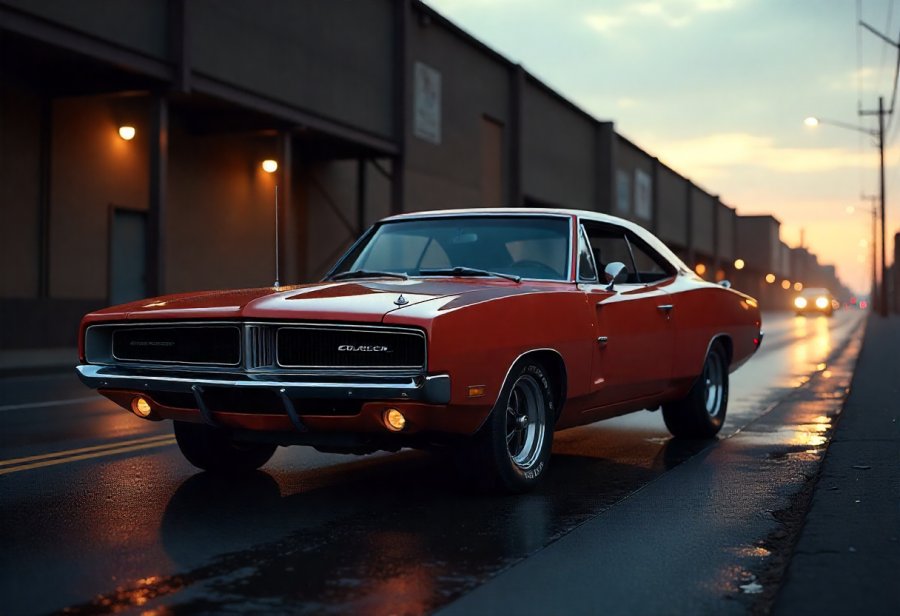
The Ford Mustang is more than just an automotive icon—it’s a symbol of American freedom, rebellion, and innovation that has captivated drivers for over six decades. From its daring debut as a ‘pony car’ to its evolution into a high-performance legend, the Mustang embodies resilience and forward-thinking design. Its bold silhouette and roaring engines evoke a visceral sense of power, while its cultural significance permeates movies, music, and pop culture worldwide. But what makes this car endure across generations? Is it the perfect blend of tradition and cutting-edge technology, or its ability to inspire a sense of independence and adventure? As modern Mustangs seamlessly integrate advanced features and eco-friendly engines, they retain the spirit that first made them a symbol of daring. This ongoing legacy continues to ignite passions, making the Mustang an enduring emblem of American ingenuity—an icon that refuses to fade into the background.
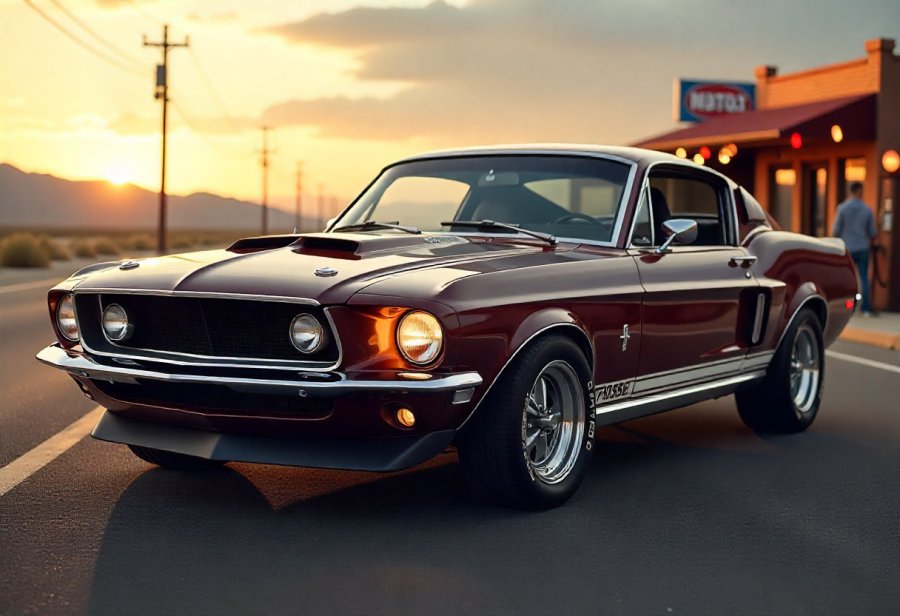
The Mustang as a Icon of American Spirit and Freedom
The Ford Mustang isn’t just a car; it’s a symbol that has come to embody the very spirit of American culture. Since its debut in the 1960s, the Mustang has represented more than performance and style — it’s a statement of freedom, independence, and adventure. Its bold, aggressive design and powerful engine options instantly set it apart, capturing the imagination of drivers and enthusiasts alike. Over the decades, it has become an icon that speaks to a desire for rebellion and individuality, making it much more than a means of transportation.
What makes the Mustang truly remarkable is its ability to evolve while staying true to its roots. From the sleek, muscular models of the original era to today’s modern versions packed with advanced technology, each generation has contributed to its legendary status. Despite shifting tastes and innovations in automotive design, the Mustang’s core identity as an American muscle car has remained constant. It tells a story of resilience and innovation, continuously adapting to new trends without losing its distinctive character.
Beyond its design, the Mustang’s cultural significance runs deep. It has appeared in countless movies, music videos, and stories that reinforce its image as a symbol of freedom and excitement. From the iconic chase scenes in *Bullitt* to the high-energy performances in popular music, the car has become woven into the fabric of pop culture. This visibility has helped cement its status as a global icon, inspiring admiration and aspiration across borders and generations.
Driving a Mustang is about more than just getting from point A to B; it’s about connecting to a legacy rooted in daring, independence, and American ingenuity. For many owners, the car represents a personal statement—a way to embrace their individuality and pursue adventure. The emotional bond with the Mustang keeps it relevant and cherished, transforming it into a symbol of resilience and the pursuit of freedom that continues to inspire drivers worldwide.
Tracing the Roots and Evolution of a Legend
The story of the Ford Mustang begins in the early 1960s, a period marked by bold experimentation in American automotive design. Ford aimed to create a vehicle that would capture the youthful energy and desire for sporty, affordable cars sweeping the nation. Drawing inspiration from European sports cars like the Jaguar E-Type, the company envisioned a car that balanced style, performance, and everyday practicality. When the Mustang was launched in 1964, its distinctive long hood and short rear deck immediately set it apart, signaling a new kind of muscle car that appealed to a broader audience.
This fresh approach gave rise to the “pony car” segment—compact, stylish, and powerful vehicles that offered a new level of performance without a hefty price tag. Ford’s strategic focus on customization and accessibility made the Mustang a hit among young drivers eager to express their individuality. Its sleek silhouette combined with a range of engine options and vibrant color choices created an instant demand. The Mustang’s success not only transformed Ford’s lineup but also sparked a cultural movement around American muscle cars.
Throughout the late 1960s, the Mustang evolved to meet the growing appetite for high performance. Special editions like the Shelby GT350 and GT500 pushed the boundaries, showcasing raw power and handling prowess. Hollywood’s love for the car, exemplified by its starring role in films such as *Bullitt*, helped elevate the Mustang’s reputation from a sporty car to a symbol of speed and rebellion. These high-performance variants solidified its status as a serious contender in the muscle car scene, blending style with adrenaline.
The 1970s and 80s brought challenges—including rising fuel prices and shifting tastes—yet Ford adapted without losing sight of the Mustang’s core identity. It received updates that modernized its look and improved safety, all while maintaining its performance spirit. The 1980s models introduced sharper lines and more refined handling, leading to a redesigned 1994 version that incorporated contemporary styling and technology. Despite these changes, the Mustang remained true to its roots as an accessible yet powerful American muscle car.
The real turning point came with the launch of the fifth generation in the late 2000s, which paid homage to the original while integrating modern engineering and tech features. This refresh reignited enthusiasm among long-time fans and attracted new drivers alike. Powerful engines like the supercharged V8 in the Shelby GT500 reaffirmed the Mustang’s legacy as an American muscle icon. Each subsequent iteration has continued to build on this foundation, blending tradition with innovation to stay relevant in a competitive market.
Today’s Mustangs combine iconic design cues with cutting-edge technology, from LED lighting to advanced driving systems. They reflect a careful balance—respecting the past while embracing the future. The evolution of the Mustang demonstrates its resilience and ability to adapt, ensuring it remains a symbol of American muscle and performance. This ongoing story of reinvention captures the spirit of innovation that has defined the Mustang for over six decades, securing its place as a true automotive legend.
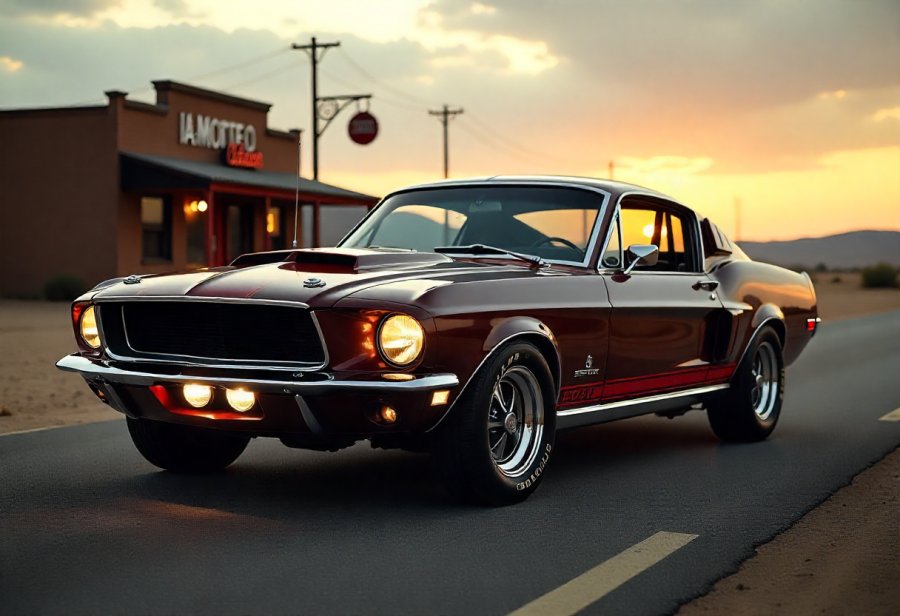
The Modern Mustang: Power, Innovation, and Cultural Relevance
Today, the Ford Mustang continues to stand as a powerful symbol of American automotive culture, skillfully blending its storied legacy with modern innovation. Its latest models feature sleek, aggressive lines that honor the original design, enhanced with contemporary touches like LED lighting, aerodynamic accents, and digital dashboards. This combination of tradition and technology keeps the Mustang relevant and appealing to both longtime enthusiasts and new drivers alike.
Performance remains at the core of its appeal. Modern Mustangs offer a diverse range of engines, from efficient turbocharged four-cylinders to supercharged V8s that produce over 700 horsepower. Whether cruising on open highways or pushing limits on a race track, drivers experience exhilarating power and precise handling. Advanced suspension systems and responsive steering ensure every drive feels dynamic, reaffirming the Mustang’s reputation as a true muscle car built for thrill.
Culturally, the Mustang maintains its iconic status through appearances in movies, music, and social media, reinforcing its image as a symbol of freedom and rebellion. Its legendary scenes in films like *Bullitt* and frequent presence in music videos keep inspiring admiration across generations worldwide. These moments, combined with active car communities and enthusiast gatherings, sustain its legendary aura and foster a sense of belonging among fans.
Beyond design and performance, the Mustang has adapted to societal shifts by integrating connectivity and sustainability features. Smartphone integration, driver-assist technologies, and eco-friendly engine options are now commonplace, making the car more practical without sacrificing its spirited essence. Inside, a blend of retro-inspired styling and cutting-edge tech creates an environment that appeals to modern tastes while honoring its classic roots.
The ongoing evolution of the Mustang proves its resilience and relevance. Each new model respects its history while incorporating innovations that meet today’s demands. From digital dashboards to performance upgrades, the Mustang remains at the forefront of the muscle car segment. Its ability to balance tradition with progress ensures it continues to inspire drivers around the world, embodying the daring spirit of American ingenuity and performance that has defined it for over six decades.
The Mustang’s Role as a Symbol of American Excellence and Global Influence
The Ford Mustang has transcended its role as a mere automobile to become a powerful symbol of American identity and innovation. Its bold, muscular silhouette and performance prowess have been meticulously crafted and marketed to embody the ideals of freedom, rebellion, and ingenuity that define American culture. Through clever advertising campaigns and iconic appearances in movies, music, and media, the Mustang has cemented itself as an international emblem of American automotive excellence.
From its debut, the Mustang set a new standard for muscle cars, inspiring a whole segment known as the “pony car.” Its instantly recognizable design—long hood, short rear deck, and the signature running pony badge—has become synonymous with power and style. As a result, it shaped not only the American muscle car landscape but also influenced automotive design worldwide, setting trends that continue to resonate today.
The marketing of the Mustang has been strategic and impactful, leveraging its cultural significance to appeal across generations. Its features—whether the roaring V8 engines or sleek aerodynamic frames—are paired with storytelling that emphasizes independence and adventure. These narratives have helped forge a deep emotional connection with owners and fans, transforming the car from a product into a symbol of personal freedom and self-expression.
Globally, the Mustang’s influence extends beyond the United States. It has become a cultural icon recognized in countless countries, representing the American spirit of resilience and daring. Its appearances in Hollywood blockbusters like *Bullitt* and in countless music videos serve as powerful visual cues that reinforce its legendary status. This widespread visibility allows the Mustang to inspire admiration and aspiration far beyond American borders.
The car’s design and performance have continuously evolved, yet its core symbolism remains intact. It epitomizes the pursuit of excellence in American automotive craftsmanship, blending high performance with iconic aesthetics. This balance ensures that each new generation of Mustang resonates with both nostalgic enthusiasts and new drivers, keeping its legacy alive and relevant.
Moreover, the Mustang’s influence reaches into the broader cultural landscape, shaping design trends and inspiring artistic expression. Its archetypal silhouette and aggressive stance have become visual shorthand for power and speed, influencing everything from fashion to popular culture. This cultural imprint underscores its status as a true icon of American innovation.
The Mustang also acts as a catalyst for community and shared identity among enthusiasts worldwide. Car clubs, rallies, and social media groups celebrate its history, fostering a sense of belonging and pride. These communities keep the legend vibrant, passing down stories and passions that reinforce its status as more than just a vehicle—it’s a symbol of American resilience and daring.
In the end, the Ford Mustang’s global influence and cultural symbolism are driven by its ability to embody the spirit of American automotive excellence. It continues to inspire generations, not just through its performance but through the ideals it represents—freedom, strength, and a relentless pursuit of progress. As an icon, the Mustang remains a living testament to American ingenuity and the enduring power of a dream on wheels.
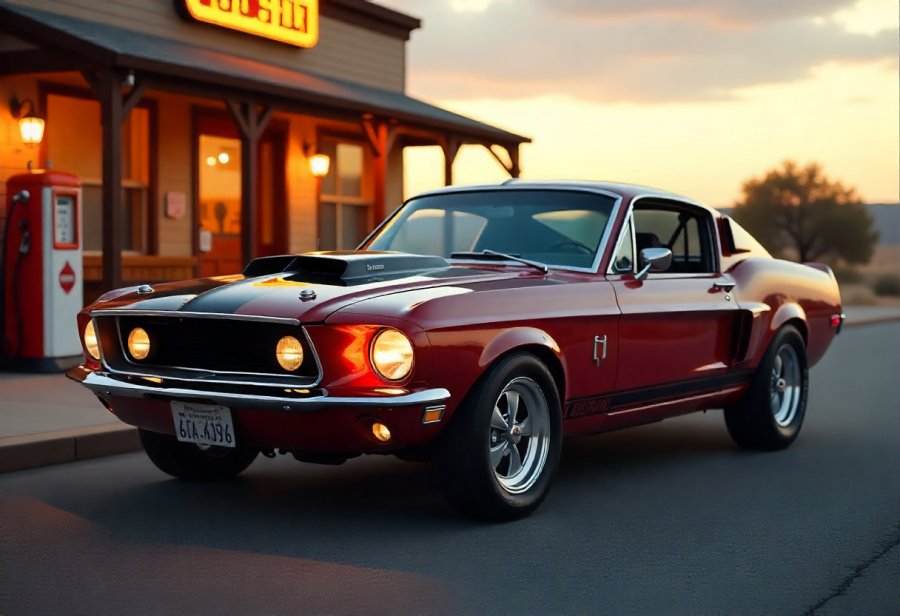
Driving Identity: How the Mustang Shapes Daily Life and Cultural Pride
The influence of the Ford Mustang extends far beyond the showroom, shaping how people experience daily life and connect with a broader cultural identity. For many owners, driving a Mustang isn’t just about getting from point A to B—it’s about embracing a symbol of freedom, rebellion, and individuality. Whether cruising along open highways or gathering at local car meets, owners often feel a deep sense of pride and connection to the car’s legendary legacy. This emotional bond transforms routine driving into a personal statement and a way to express their unique spirit.
In movies and music, the Mustang’s presence is everywhere, reinforcing its role as an icon of American daring. The iconic car chase scenes in *Bullitt*, with Steve McQueen behind the wheel, helped cement its reputation as a symbol of speed and daring. Musicians and artists frequently feature Mustangs in their work, capturing themes of adventure, youth, and independence. These cultural moments create shared stories that resonate across generations, making the Mustang more than just a vehicle—it’s a powerful cultural touchstone that inspires admiration and aspiration worldwide.
Enthusiast communities and car clubs play a vital role in deepening its cultural significance. Across the globe, gatherings celebrate the history and performance of the Mustang, fostering a sense of belonging among fans. These events are more than showcases—they are celebrations of a shared passion that keeps the car’s story alive. For many owners, customizing their Mustang to reflect personal style or restoring vintage models becomes a way to connect to a larger legacy rooted in American resilience, innovation, and the pursuit of excitement.
The Mustang’s design influences more than just automotive aesthetics; it shapes broader visual culture. Its muscular silhouette—long hood, short rear—has become a visual shorthand for power and speed, inspiring trends in design and popular media. This iconic look continues to evoke a sense of strength and daring, reinforcing its status as a symbol of American muscle. Even as technology evolves, the Mustang’s distinctive profile remains a powerful reminder of its heritage and enduring appeal.
Beyond aesthetics, the Mustang’s impact is practical and cultural. Its presence in everyday life encourages a mindset of adventure and independence, inspiring new generations to chase their passions with confidence. The car’s reputation as a symbol of resilience and freedom motivates drivers to push boundaries, whether on the open road or in their personal pursuits. It embodies a spirit that resonates deeply, making it more than just a mode of transportation.
In essence, the Mustang shapes identities and communities, fostering a shared sense of pride rooted in American ingenuity and daring. It’s a living legacy that continues to inspire stories, memories, and aspirations. The car’s influence is woven into the fabric of everyday life, serving as a reminder of the power of passion, resilience, and the pursuit of freedom—values that define its place as an enduring cultural icon.